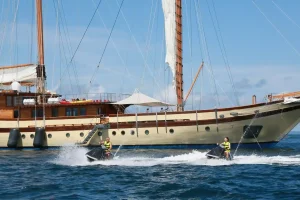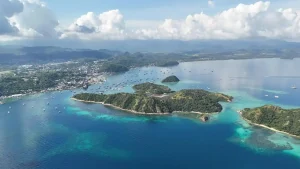
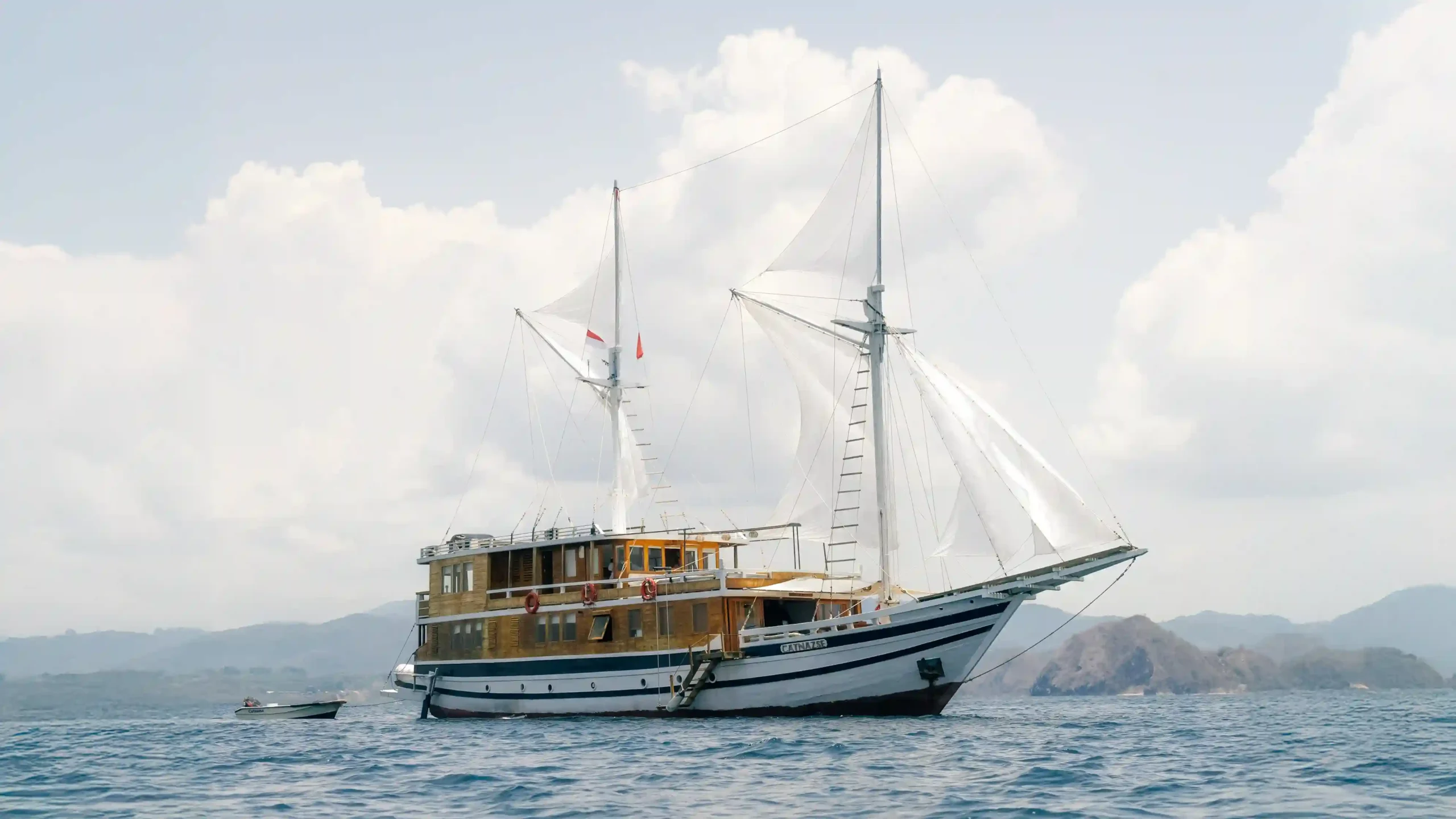
I use the phrase “labuan bajo marinas liveaboard charter turnaround” constantly when talking with operators, because Labuan Bajo has changed from a simple fishing harbor to a working base port for phinisi fleets, superyachts, and specialist liveaboards making Komodo and the Flores Sea their backyard.
If you are running tight charter schedules, every hour lost on paperwork, bunkering, or hunting for a free mooring is an hour your guests are not in Komodo National Park. The value of a marina base in Labuan Bajo is simple: compress all shore-side tasks into a predictable, repeatable turnaround window.
Why Labuan Bajo Works as a Turnaround Port for Komodo and the Flores Sea
Labuan Bajo sits on the west tip of Flores, at the practical gateway to Komodo National Park and the wider Flores Sea cruising grounds. For liveaboard and charter vessels, it is the shortest line between the airport, the marina, and the park entrance channels around Sebayur, Kalong, and the northern park boundary.
From a pure operations point of view, three things matter here:
- Proximity to Komodo anchorages (typically 10–25 NM to first night stops).
- Easy flight connections for guest and crew changeovers via Komodo Airport (LBJ).
- Marina infrastructure that cooperates with agents, charter managers, and captains.
That is where a dedicated facility such as Labuan Bajo Marinas comes in. By aligning marina berthing, agent services, and crew logistics, you can run a “labuan bajo marinas liveaboard charter turnaround” as a standard operation instead of a one-off puzzle every time.
Clearance, CAIT, and Park Permissions: Getting the Paperwork Right
Komodo is not a casual sail-in, sail-out area. You are operating inside Komodo National Park, within Indonesian territorial waters, with specific port state, immigration, and conservation rules layered together. For 2026 planning, assume requirements will tighten rather than relax.
1. International and Domestic Clearance
Most foreign-flagged yachts still clear into Indonesia at major gateway ports such as Benoa (Bali), Kupang (West Timor), or Tanjung Benoa, before moving east towards Flores. Labuan Bajo then serves as your operational base, not your first port of entry.
You will work with a licensed local agent for:
- Harbormaster (Syahbandar) – vessel arrival and departure reporting, port clearances.
- Immigration – crew and passenger visas, extensions, crew list updates.
- Customs (Bea Cukai) – Temporary Import if applicable, and any bonded stores issues.
Based on recent experience, a disciplined operator plans at least half a day of dockside clearance time per turnaround, even when all documents are pre‑arranged. Agents working closely with guide services inside Labuan Bajo Marinas can cut that to a few hours on normal, non-peak days.
2. CAIT and Cruising Permissions
The traditional CAIT (Clearance Approval for Indonesian Territory) framework has evolved in recent years, but the concept remains: foreign yachts must have central approval for their cruising itinerary. Regulations change; always check the latest official updates via your agent and references like yachting and national tourism guidance such as indonesia.travel.
For Labuan Bajo operators, what matters operationally is:
- Your vessel and route are clear for Komodo National Park and adjacent Flores Sea waters.
- Your manifest (guests and crew) is accurate and synchronized with your CAIT/permit data.
- Park entry and activity permits are secured before you leave the marina or mooring.
The most efficient “labuan bajo marinas liveaboard charter turnaround” flow is to push all document pre-checks to 72–96 hours before guest embarkation. Then you only handle signatures and physical stamping at the berth.
Berths, Moorings, and Anchorage Strategy Around Labuan Bajo
Charter fleets in Komodo mix marina berthing, organized moorings, and traditional anchorages. Your choices depend on vessel size, draft, and guest expectations.
Marina Berths and Alongside Options
For phinisi and superyacht operators, secure berthing at Labuan Bajo Marinas gives several key advantages:
- Safe, predictable dockage for wood and steel vessels from approx. 20 m to 60+ m (check current limits).
- Tenders alongside for rapid provisioning, crew movements, and gear transfers.
- Direct access to shore‑power points (for selected berths), fresh water, and controlled boarding areas.
For liveaboards running tight back‑to‑back trips, docking stern‑to or alongside the marina quay removes the variable of crowded town anchorage runs, where local water taxis and small dive boats compete for limited space.
Moorings and Nearby Anchorages
Many operators still favor anchoring outside the main harbor once guests arrive, especially to give guests an immediate sense of being “out in the islands.” Regular turnaround anchorages within roughly 10–20 NM of Labuan Bajo include:
- Sebayur Besar and Sebayur Kecil – commonly used for first or last night, mixed coral and sand patches.
- Kelor and Menjerite – popular for day activities, snorkeling, and short positioning from Labuan Bajo.
- Kalong – evening bat-watching, often integrated into departure or return mini‑cruises.
Weather and swell are highly seasonal. During southeast trades (roughly June–September), some western anchorages are more exposed and you may prefer to stage at a marina berth between trips instead of leaving the vessel on anchor for long maintenance windows.
Fuel, Water, and Provisioning: Turning the Boat Fast
Running a reliable “labuan bajo marinas liveaboard charter turnaround” schedule rests on a few operational blocks: fuel, water, food, and consumables. Labuan Bajo now supports these far more efficiently than even five years ago, but only if you plan and coordinate.
Fuel and Lubricants
Local supply is mainly automotive diesel (solar) and subsidized fuel variants; you need to coordinate quality and quantity with your agent and marina. For larger vessels, truck‑to‑ship bunkering at the berth is common practice, under controlled procedures.
Standard practice for operators I speak with:
- Order fuel at least 48 hours in advance of docking.
- Confirm clear access for tanker trucks and hose routing on the pier.
- Test samples before full transfer, especially if your engines or generators are fuel‑sensitive.
Water, Food, and Dry Stores
Potable water is available at selected marina points; many boats still prefer to use onboard watermakers at sea and top up only for redundancy. For charter guest expectations, you will likely rely on a combined pattern:
- Bulk fresh produce from Labuan Bajo markets and wholesale suppliers.
- Imported dry goods and beverages pre‑freighted from Bali or Jakarta.
- Last‑minute top‑ups directly at the marina using van or truck deliveries.
A practical method that works for many fleets: send your purser or chef ashore on day‑minus‑one for market sourcing, then handle cold chain delivery straight to the stern on turnaround day when the vessel is alongside Labuan Bajo Marinas berths.
Crew Logistics: Flights, Rotations, and Shore Support
Guest itineraries look glamorous on social media; the underlying crew logistics are anything but. Crew changes, visa renewals, and rest periods drive your operational reality more than any underwater photo.
Komodo Airport Connectivity
Komodo Airport (LBJ) sits only a short drive from the marina area. Airlines routinely adjust their schedules, but you can expect multiple daily connections from hubs like Denpasar (Bali) and Jakarta in 2026, with typical flight times around 1–2 hours.
The key for liveaboard and charter operators is to set up standard crew rotation days that align with both flight frequency and marina berth availability. For example:
- Inbound crew arrive LBJ morning flights, transferred straight to the vessel at berth.
- Off‑signing crew depart on afternoon flights after handover and debrief.
- Guest flight windows staggered to avoid overlap with heavy provisioning or fuel operations.
Shore Accommodation and Rest Periods
Safe manning rules and fatigue management matter even on small liveaboard vessels. Many operators now maintain shore accommodation agreements in Labuan Bajo for:
- Pre‑joining overnight stays for incoming crew.
- Short rest periods between back‑to‑back charters during peak season.
- Emergency medical or family leave staging if crew need to travel at short notice.
Coordinating this through marina management and trusted local partners gives you a stable “crew corridor” between the pier and accommodation, simplifying transport, baggage, and last‑minute schedule shifts.
Sailing Seasons, Weather Windows, and 2026 Planning
Komodo and the Flores Sea are not year‑round like a marina in a temperate climate. You operate across two main weather regimes, with several shoulder periods that reward careful planning.
High Season: Southeast Trades (Approx. June–September)
This period offers drier conditions, stronger southeast trade winds, and cooler water temperatures in some channels. Operational implications:
- Calmer seas in many leeward Komodo anchorages, especially on northern and western sides.
- Rougher crossings on exposed legs, such as westward runs towards Sape or north towards Sumbawa.
- High charter demand, requiring marina berth reservations and early CAIT/permit booking.
Transition and Shoulder Seasons (Approx. April–May, October–November)
These windows often deliver light variable winds and occasional squalls. Visibility can be excellent, but planning gets trickier. For “labuan bajo marinas liveaboard charter turnaround” consistency, keep a buffer:
- Build at least 12–24 hours of weather margin into each charter loop.
- Factor in the impact of squalls on tender operations at night anchorages.
- Use the marina as a safe base for maintenance on days with forecast electrical storms.
Northwest Monsoon (Approx. December–March)
Expect more rain, shifting winds, and occasional periods of reduced visibility. Many operators still run charters, but with adjusted itineraries and more conservative routing.
From a turnaround perspective, this is when marina infrastructure is especially valuable: solid quayside access, better drainage, and controlled gangways reduce the operational friction of operating in heavy rain with high guest and crew movement.
Designing a Standard 24–36 Hour Turnaround Template
Every boat is different, but a reliable “labuan bajo marinas liveaboard charter turnaround” pattern for a mid‑size liveaboard or phinisi might look like this:
- Hour 0–4: Dock at assigned berth, connect shore power/water, initiate clearance with agent, disembark guests, begin luggage transfers.
- Hour 4–8: Fuel bunkering, black/grey water handling (if arranged), laundry offload, engineering checks, crew debrief.
- Hour 8–16: Deep cleaning, interior reset, provisioning deliveries directly to deck, safety equipment inspections.
- Hour 16–24: Incoming crew briefings, final paperwork checks, pre‑departure park permits confirmed, guest embarkation window opens.
- Hour 24–36: Depart berth, short coastal passage to first‑night anchorage such as Sebayur or Kelor, giving guests a calm first afternoon on board.
By anchoring this process around a marina berth, rather than a variable anchorage and tender‑to‑shore shuttle, you cut transfer times and reduce risk during heavy operations like fuel and provisioning.
Making Labuan Bajo Your Long-Term Komodo Base
For operators planning to base one or more vessels in Komodo for the 2026 season and beyond, a marina‑centric model is increasingly attractive. Phinisi and superyacht charter managers are discovering that a structured “labuan bajo marinas liveaboard charter turnaround” flow pays for itself in reduced delays, better maintenance control, and improved crew welfare.
If you want to explore seasonal or year‑round berthing, supported by integrated clearance, CAIT routing, park permits, fuel, provisioning, and crew logistics, contact our team. Reach us via WhatsApp at +62 811-3941-4563 or email bd@juaraholding.com to discuss how Labuan Bajo Marinas can support your Komodo and Flores Sea operations.