Skip to Content
Labuan Bajo · Flores · 08°29′S 119°53′E
Independent guide · Fact-checked & dated +62 811-3941-4563
Labuan Bajo Marinas Labuan Bajo Marinas Komodo Cruising Gateway
Cost Guide

Labuan Bajo Marinas Pricing & Cost Guide

Labuan Bajo Marinas offer essential facilities for yacht owners and operators in the Komodo National Park area.

By Labuan Bajo Marinas Editorial Desk Updated August 2026

Labuan Bajo Marinas offer essential facilities for yacht owners and operators in the Komodo National Park area. Key features include:

  • Competitive berthing rates starting at $30 per day.
  • Fuel and provisioning services available on-site.
  • Comprehensive clearance and CAIT permit assistance for smooth navigation.
  • Phinisi berth and mooring guidance, plus a marina-fee comparison with Bali and Lombok.

The salty breeze fills the air as yachts bob gently in the crystal-clear waters of Labuan Bajo. Here, in the gateway to Komodo National Park, marinas serve as bustling hubs for sailors, charter operators, and superyacht crews, offering vital services and resources that facilitate cruising through one of Indonesia’s most iconic regions.

Rate Card

Indicative Costs at a Glance

Information is researched and fact-checked but provided without warranty; verify current details before booking.

01

Daily berthing, smaller yachts

Typically starts at around $30 per day.

02

Daily berthing, larger superyachts

Might face costs upwards of $150 per day.

03

Monthly rates

Ranging from $600 to $3,000 based on the marina’s amenities and location.

04

Diesel fuel

Prices for diesel fuel average around $0.70 per liter.

05

Mooring buoys

Typically ranging from $10 to $20 per night depending on the location and facilities offered.

06

CAIT permit assistance

Often for a fee ranging from $100 to $200, depending on the length and complexity of your stay.

07

Liveaboard packages

Prices starting around $9,500 per boat for a basic experience, including meals and accommodations.

08

Luxury liveaboard options

Prices reaching $11,250 per boat for premium experiences that include gourmet dining and personalized service.

What It Costs
01

Understanding Berthing Costs at Labuan Bajo Marinas

Labuan Bajo Marinas present a spectrum of berthing options, catering to different vessel sizes and budgets. Daily berthing rates typically start at around $30 for smaller yachts, while larger superyachts might face costs upwards of $150 per day. For longer stays, monthly rates run from $600 to $3,000 based on the marina’s amenities and location.What can you expect for your investment? Basic amenities include access to power and water, along with secure mooring. Higher-tier marinas provide additional services such as concierge support, premium fueling stations, and dedicated maintenance facilities. The choice of marina can significantly influence your overall experience in Labuan Bajo.
02

Marina Facilities and Amenities

Facilities across Labuan Bajo Marinas vary significantly, each offering unique advantages. The most common amenities include:
  • Fuel Stations: On-site refueling is crucial for smooth operations. Prices for diesel fuel average around $0.70 per liter.
  • Provisioning Services: Many marinas offer direct access to local fresh produce and supplies, essential for liveaboard operations.
  • Maintenance: Some marinas have in-house technicians for repairs and maintenance, ensuring your vessel remains in prime condition.
Marina staff typically speak English, easing communication for international crews. Services are available for both short-term and long-term stays, with options tailored for both skippers and yacht owners.
03

Moorings and Anchorages in the Flores Sea

The Flores Sea hosts numerous mooring and anchorage points around Labuan Bajo, providing safe havens for vessels exploring the region. Popular anchorages include:
  • Kalong Island: Known for its unique mangrove ecosystems and the famous flying foxes at dusk.
  • Rinca Island: Offers stunning views and is a base for exploring the Komodo dragons.
  • Padar Island: A favored spot for its dramatic landscapes and less crowded anchorages.
Mooring buoys are often available, providing an easy alternative to anchoring. Prices for mooring vary, typically ranging from $10 to $20 per night depending on the location and facilities offered.
04

Fueling and Provisioning Essentials

Fueling your yacht in Labuan Bajo is straightforward, with several marinas equipped with fuel stations. Diesel is the most common fuel type, and prices hover around $0.70 per liter. It’s advisable to check fuel availability in advance, especially during peak cruising seasons.Provisioning is another critical aspect of preparing for your journey. Local markets in Labuan Bajo provide fresh seafood, tropical fruits, and vegetables at reasonable prices. Additionally, some marinas offer concierge services that can pre-stock your yacht with supplies based on your preferences, streamlining your preparations.
05

Regulatory Compliance: Clearance and CAIT Permits

Navigating regulatory requirements is essential for a hassle-free experience in Indonesia’s waters. All vessels must obtain a CAIT (Clearance Approval for Indonesian Territory) permit, which allows for smooth entry into Indonesian waters. The application process can be facilitated through local marinas, often for a fee ranging from $100 to $200, depending on the length and complexity of your stay.Clearance procedures typically take 24 to 48 hours, so planning ahead is vital. Ensure your vessel meets safety regulations and carries all necessary documentation to avoid complications.
06

Sailing Seasons and Weather Windows for 2026

Sailing in Labuan Bajo is influenced by the tropical climate, characterized by two primary seasons: the dry season (April to November) and the wet season (December to March). For 2026, the dry season promises ideal conditions for sailing, with average temperatures ranging from 24°C to 32°C and minimal rainfall.Wind patterns are generally favorable, especially from May to September, with consistent trade winds aiding navigation. It’s crucial to monitor weather forecasts before setting sail, as conditions can change rapidly in this region.
07

Liveaboard Options and Departure Points

Labuan Bajo serves as a primary departure point for liveaboard cruises to Komodo National Park. Various operators offer packages ranging from three days to a week, with prices starting around $9,500 per boat for a basic experience, including meals and accommodations.Liveaboards typically explore the park’s highlights, such as Komodo Island, Pink Beach, and Manta Point. Many operators provide guided tours, snorkeling equipment, and even diving gear for a comprehensive marine experience.Several companies offer luxury options, with prices reaching $11,250 per boat for premium experiences that include gourmet dining and personalized service. Researching different operators can help you find the right fit for your adventure.
08

Marina Berth Fees for Phinisi in Labuan Bajo

In short: a phinisi operating out of Labuan Bajo typically pays $10–$20 per night on a mooring, or $30–$150+ per day for an alongside berth where length and draft allow. Alongside berths that fit 25–50 m traditional hulls are the scarcest resource in the bay, so most phinisi run a mooring-plus-tender operation and come alongside only for fuel, water and guest turnarounds.

Before committing to a berth, confirm four things with the marina office: maximum length overall and beam on the pier you are assigned; depth at datum against your draft (many phinisi draw 2.5–4 m); whether water and fuel are delivered alongside or by barge; and waste pump-out arrangements. From July to September, berth pressure peaks with the charter season — reserving turnaround windows in advance keeps a charter schedule intact.

Costs scale with services, not just length: shore power, security and concierge provisioning push a berth toward the top of the published range, while a bare mooring with tender access stays near the bottom.

09

Marina Fees Compared: Bali, Lombok and Labuan Bajo

In short: Labuan Bajo is generally the least expensive of the three for moorings and anchorage, Bali carries the widest service range and the highest like-for-like berth pricing, and Lombok sits between the two on both counts.

  • Bali: the most developed marina infrastructure of the three, with full-service berthing, haul-out access and superyacht handling concentrated around Benoa. Deeper services and stronger demand keep published berth rates at the top of the range.
  • Lombok: fewer berths and a smaller service catalogue than Bali, with pricing that typically lands between Bali and Labuan Bajo for comparable vessels.
  • Labuan Bajo: berth stock is the most limited, but moorings ($10–$20 per night) and anchorage keep base costs low; daily berthing starts around $30 and monthly arrangements run $600–$3,000 where available.

The practical rule: position the boat where it earns — Komodo charter demand favours Labuan Bajo despite thinner shore infrastructure — and budget Bali-level rates whenever you reposition for yard work or major provisioning. Published figures move season to season, so verify current rates directly with each marina before committing.

10

Berth Investment in Labuan Bajo: What Phinisi Owners Should Weigh

In short: berth access in Labuan Bajo is becoming an operating asset. Demand from the Komodo charter fleet is growing faster than berth and mooring capacity, so secured access increasingly shapes a phinisi’s charter economics — faster turnarounds, reliable fuel and water windows, and predictable guest embarkation.

Three tenure models appear in the Indonesian market: short-term contracts (daily to seasonal — the norm in Labuan Bajo today), longer leases on berths or moorings, and membership-style arrangements tied to a marina operator. Each trades flexibility against security of tenure; in a bay with limited stock, security is what protects a charter calendar.

Weigh the risks with the same discipline as any fleet decision: port-authority policy and harbour zoning can change, infrastructure timelines in Flores have historically moved slowly, and demand is seasonal, concentrated April–November. An owner evaluating a berth commitment should model utilisation gains against those uncertainties, and treat any offer’s legal form — lease, licence or membership — as a document for independent legal review before committing funds.

This guide is independent research for owners and operators; we do not operate a marina and hold no berth inventory.

11

Labuan Bajo Berth and Mooring Rates: The Granular Structure

Labuan Bajo prices shoreside access in three tiers, not one. A mooring buoy costs about USD 10–20 per night, an alongside berth starts near USD 30 per day for smaller yachts and passes USD 150 per day at superyacht lengths, and monthly arrangements run USD 600–3,000 where a marina offers them. Length and draft decide which tier is actually available to you.

Vessel lengthRealistic option in Labuan BajoNightly or daily rate (USD)Monthly equivalent (USD)Utilities to expect
Under 15 mMooring buoy or alongside berth10–40300–1,200Shore power and water where a marina berth is available; tender access only on a buoy
15–25 mMooring buoy, alongside berth where length allows15–60450–1,800Power and water at the berth; fuel and provisioning delivered alongside or by tender
25–35 m traditional hullAlongside berth is scarce; mooring plus tender is the working norm20–100600–3,000Utilities only alongside; on a buoy, plan for generator running and water delivery
35–50 mLimited alongside capacity; anchorage with tender service is common60–1501,800–3,000 where a monthly rate is offeredConfirm depth alongside and shore-power rating before committing
Above 50 mAnchorage and tender operation150 and upward where berthing is possible at allQuoted case by caseAssume full self-sufficiency
Provenance and method. Rate tiers are the published Labuan Bajo bands surveyed for this page — moorings USD 10–20 per night, daily berthing from USD 30 for smaller yachts and above USD 150 at superyacht lengths, monthly arrangements USD 600–3,000. Monthly equivalents are the daily bands multiplied by 30 nights and rounded, then capped at the published monthly ceiling where one exists. Berth counts and alongside depths change as the harbour develops, so verify capacity with the operator before planning around a berth. Compiled by the Labuan Bajo Marinas Editorial Desk as an independent shoreside survey, reviewed 19 August 2026. We do not own, operate or broker berths.
12

Berth During Refit: What It Costs to Keep a Vessel Offline

A refit does not cost only yard time. Between survey, tide window and sign-off a vessel spends weeks afloat and idle, and nobody publishes what that shoreside time costs. A four-week offline window in Labuan Bajo works out at roughly USD 300–600 on a mooring against USD 900–4,500 alongside, before crew, tender fuel and water delivery.

Offline windowMooring buoy (USD)Alongside berth, 25–35 m (USD)Monthly arrangement (USD)What else to budget
1 week70–140140–700Not usually offeredTender fuel, water delivery, one crew aboard
2 weeks140–280280–1,400Not usually offeredAs above, plus a second water run
4 weeks300–600900–4,500600–3,000A monthly rate usually beats the daily rate at this point — ask for it
8 weeks600–1,2001,800–9,0001,200–6,000Anode and hull-fouling check before relaunch; idle hulls foul fast in warm water
Wet-season lay-up (about 12 weeks)900–1,8002,700–13,5001,800–9,000Security watch, dehumidification, monthly systems run
Method. Derived arithmetic, not a quotation: the nightly and daily bands above multiplied by the number of nights in each window, with the monthly column taken from the published USD 600–3,000 range and scaled. Rates move with season and berth availability. Reviewed 19 August 2026 by the Labuan Bajo Marinas Editorial Desk.

The scheduling lesson sits underneath the arithmetic. Shoreside cost is driven by how long the vessel is offline, and that is decided by the tide window rather than the work list — hauling here is tide-driven, so the refloat date is fixed the day the haul date is. Owners planning a hull season should confirm the operational limits and lead times for haul-out and slipway work in Labuan Bajo before fixing dates, then book the mooring to match the tide window, not the invoice.

13

What to Verify Before You Rely on a Berth

Published rates are the easy part. These are the details that decide whether a berth is usable by your vessel, and every one of them should be confirmed in writing with the operator before you build a schedule around it.

  • Alongside depth at low water, not at high water — the number that strands deep-draft hulls.
  • Maximum length accepted on the specific finger or quay being offered, not the marina headline figure.
  • Shore power rating and phase, and whether it covers a vessel running air conditioning at anchor-equivalent load.
  • Potable water: metered at the berth, or delivered by truck and tender.
  • Fuel: alongside bunkering or barge delivery, and the notice period required.
  • Seasonal pricing and minimum stay through the May–September Komodo peak, when demand is highest.
  • Cancellation and no-show terms if a haul-out date moves with the tide — it often does.
  • Security and access hours for crew and contractors during a refit.

This page is an independent shoreside cost survey published for owners and captains planning a Labuan Bajo season. We do not own, operate, broker or take commission on any berth or mooring listed. Rates are indicative and move with season and availability — confirm directly with the operator. Labuan Bajo Marinas Editorial Desk, reviewed 19 August 2026.

14

Berthing Questions Owners and Captains Ask

Are there marinas or secure berths in Labuan Bajo where I can keep a yacht during a refit?

Yes, in three tiers: mooring buoys at roughly USD 10–20 per night, alongside berths from about USD 30 per day where length and depth allow, and monthly arrangements at USD 600–3,000. Alongside capacity for 25–50 m traditional hulls is the scarcest resource, so book the refit window early.

What should I budget for berthing while the boat is out of service?

Multiply the offline window, not the work list. A four-week window costs about USD 300–600 on a mooring or USD 900–4,500 alongside for a 25–35 m hull, and a monthly arrangement usually beats the daily rate from four weeks onward. Add tender fuel, water delivery and at least one crew aboard.

How much is a short-term transit berth for a yacht in Labuan Bajo harbour?

Daily berthing starts around USD 30 for smaller yachts and rises past USD 150 per day at superyacht lengths, where berthing is available at all. For a transit stop of a few nights a mooring buoy at USD 10–20 per night is usually the practical choice, with tender access to town.

How do I reserve a berth in Labuan Bajo during Komodo high season?

Book before the May–September peak and confirm three things in writing: the maximum length accepted on the specific berth, alongside depth at low water, and the minimum-stay and cancellation terms. A haul-out date that moves with the tide can strand a non-refundable booking.

What do marina fees in Labuan Bajo cost compared with Bali or Lombok?

Labuan Bajo carries thinner shoreside infrastructure than Bali, so the mooring-and-anchorage tier does more of the work and keeps base costs low, while alongside berthing is scarce rather than cheap. The practical rule is to position the vessel where it earns, and Komodo charter demand favours Labuan Bajo.

What utilities can I expect at a Labuan Bajo berth?

Shore power and metered water where a marina berth exists; on a mooring, plan for generator running, water delivery by tender and self-sufficiency. Confirm the shore-power rating and phase before relying on air conditioning alongside, and check whether fuel comes alongside or by barge.


The Plates

The Cruising Ground in Photographs

What a berth in Labuan Bajo puts within a day’s reach — the harbour, the anchorages, and the water beneath them.

Traditional phinisi at anchor in clear water
01

Berths & Moorings

Labuan Bajo · 08°29′S 119°53′E

Transient and long-term berthing on the main harbour front, with water and power at each pontoon and the town within walking distance of the gate.

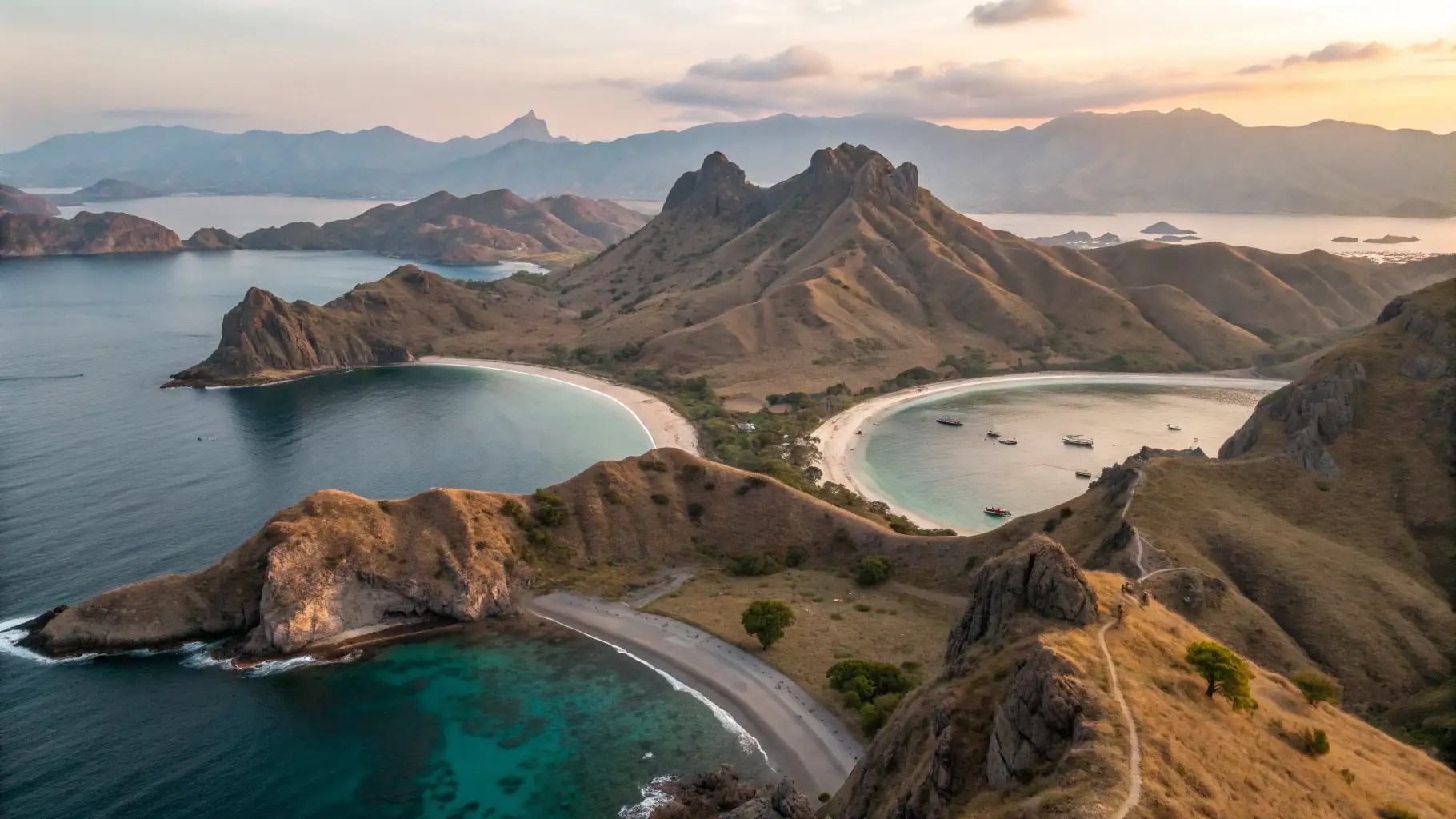
Aerial view of Padar Island and its three bays
02

Padar Island

18 nm W · Komodo NP

The three-bay ridge walk.

Vibrant pristine coral reef
03

Coral Gardens

Coral Triangle

260 reef-building species.

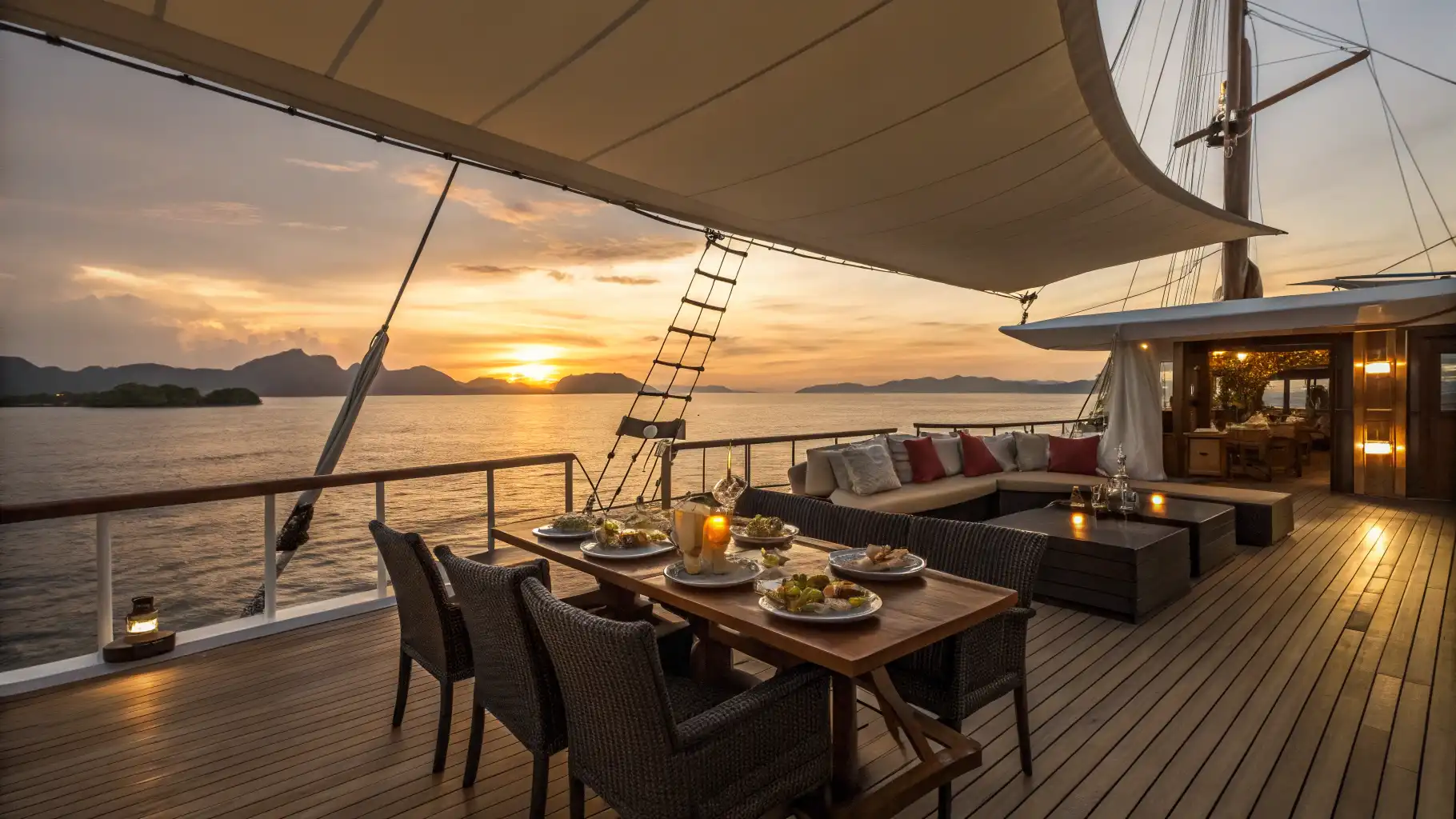
Sunset on the deck of a phinisi yacht
04

Sunset on Deck

Flores Sea · Apr–Dec

The dry-season evenings that make the April to December window the one most itineraries are built around.

Manta ray gliding above a reef
05

Manta Point

Karang Makassar · 26 nm S

Cleaning stations worked year-round, best on a running tide.

For More Insights

This Vibrant Destination Has Much to Offer

For more insights on the best sailing conditions, marina options, and investment opportunities in Labuan Bajo, visit our homepage. Whether you’re a yacht owner or a charter operator, this vibrant destination has much to offer.

Book Labuan Bajo Marinas Read the Definitive Guide