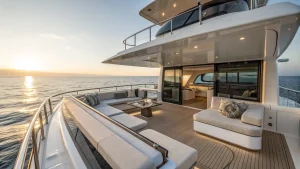

In 2027, marina fees in Labuan Bajo will reflect comprehensive service packages and modern amenities, balancing competitive pricing with enhanced offerings for boaters and tourists.
Marina Fees 2027: An Overview
As we look towards 2027, marina fees at Labuan Bajo are anticipated to evolve, catering to the interests of both local and international visitors. The increase in demand for berthing spaces and services drives the need for a transparent understanding of these fees. Marina fees in 2027 will encompass dockage, maintenance, and additional services, all of which are crucial for maintaining the high standards expected by patrons. The fees will likely be segmented into categories based on vessel size, duration of stay, and the specific services utilized. For instance, smaller vessels may incur lower fees compared to larger yachts, which require more space and resources. The fees will also be adjusted seasonally, with peak tourist months such as July and August potentially seeing higher rates due to increased demand.
Understanding Service Charges at Labuan Bajo Marinas
Service charges at Labuan Bajo marinas are set to include a variety of essential services designed to enhance the boating experience. These charges typically cover amenities such as electricity, water supply, and waste disposal, ensuring that all basic needs of boaters are met. In 2027, we can expect a more streamlined approach to these services, with technology playing a significant role in managing and optimizing service delivery. For example, digital metering systems for electricity and water usage will allow for precise billing, reducing disputes and ensuring fair charges. Waste management is also expected to improve, with more efficient waste disposal systems and recycling initiatives becoming the norm. These improvements will not only enhance the convenience for boaters but also contribute to the sustainability of the marina operations.
Pricing Trends for Marinas in 2027
The pricing trends marinas are witnessing indicate a steady increase in marina fees, aligned with inflation and the rising costs of maintaining high-quality facilities. In 2027, marinas in Labuan Bajo will likely adjust their fees to reflect these trends, ensuring that they continue to offer state-of-the-art services while remaining competitive. Explore Labuan Bajo’s marina offerings to understand how these changes might impact your future plans. With inflation rates projected to hover around 3% annually, marinas may adjust fees accordingly to cover the increased costs of utilities, staffing, and maintenance. Additionally, investments in technology and infrastructure will necessitate fee adjustments to ensure continued service excellence.
Projected Trends for Marina Fees and Services in 2027
What are the projected trends for marina fees and services in 2027? As the demand for marina spaces increases, fees are expected to rise moderately, with a focus on value-added services. The integration of sustainable practices and advanced technology will also play a pivotal role in shaping these trends, as marinas aim to provide environmentally friendly and efficient services. The introduction of solar panels and energy-efficient lighting systems is expected to reduce overall energy consumption, while water conservation measures will help in minimizing wastage. These initiatives, while initially costly, are anticipated to bring long-term savings and environmental benefits, potentially offsetting some of the fee increases.
2027 Note: Technological Advancements and Sustainability
In 2027, the integration of technology in marina services will be more prominent. Digital platforms for booking and managing marina services will become standard, offering users a experience. Additionally, sustainability will be a key focus, with marinas adopting green technologies to reduce their environmental footprint. This approach ensures that while fees may rise, the quality and sustainability of services improve significantly. For instance, predictive maintenance systems will be employed to monitor infrastructure health, reducing downtime and enhancing reliability. Moreover, electric vehicle charging stations for both cars and boats will be installed, supporting the transition to cleaner energy sources.
FAQ
What additional services can boaters expect at Labuan Bajo marinas in 2027?
In 2027, boaters at Labuan Bajo marinas can anticipate enhanced services such as improved Wi-Fi connectivity, personalized concierge services, and advanced security measures. These additions aim to provide a more comfortable and secure environment for all marina visitors. Enhanced Wi-Fi will ensure reliable internet access across the marina, supporting both leisure and business activities. Concierge services will include booking local tours, arranging transport, and providing information on local attractions and dining options. Enhanced security will involve the installation of more CCTV cameras and the implementation of biometric access controls to ensure the safety of visitors and their vessels.
How are marina fees structured in Labuan Bajo?
Marina fees in Labuan Bajo are generally structured around the size of the vessel and the duration of stay. Additional charges may apply for specific services like electricity and water supply. It’s advisable to check with individual marinas for precise fee structures. For example, a 10-metre yacht might incur a daily docking fee of approximately $50, while a larger 20-metre vessel could see fees upwards of $100 per day. Seasonal variations may also affect these rates, with higher fees during peak times.
Will sustainable practices affect marina fees in 2027?
Yes, the adoption of sustainable practices is likely to influence marina fees in 2027. As marinas invest in eco-friendly technologies and practices, there may be a slight increase in fees to cover these improvements. However, this is balanced by long-term benefits for the environment and overall service quality. The initial costs of installing solar panels or upgrading waste management systems may be reflected in fee adjustments, but these investments are expected to reduce long-term operational costs and support environmental sustainability, ultimately benefiting the marina and its patrons.
For itinerary and budgeting details, see the Komodo liveaboard guide 2026.