
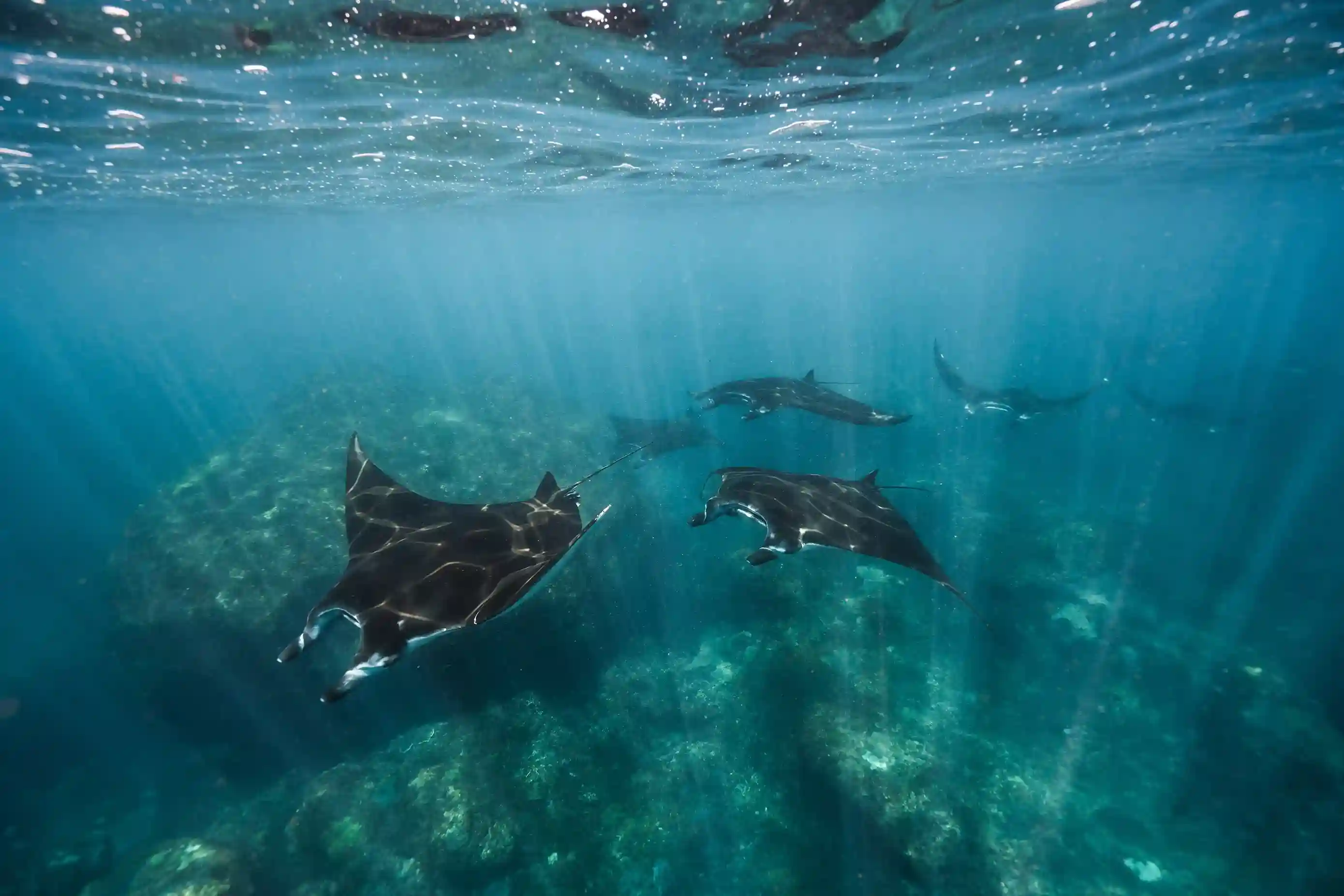
Marinas play a pivotal role in marine conservation by implementing sustainable marina practices, supporting conservation initiatives in Labuan Bajo, and fostering awareness among boaters and tourists.
Understanding the Role of Marinas in Marine Conservation
Marinas are more than just docking spaces for boats; they are crucial players in the efforts to preserve marine ecosystems. With the increasing awareness of environmental issues, marinas are adopting sustainable practices that contribute to marine conservation. In Labuan Bajo, these efforts are particularly significant as the region is home to some of the richest marine biodiversity on the planet. The Indonesian archipelago, especially around Komodo National Park, is a hotspot for marine life, featuring over 1,000 species of fish and hundreds of coral varieties. This biodiversity faces threats from climate change, overfishing, and pollution, making the role of marinas vital in conservation.
How are Marinas Contributing to Marine Conservation Efforts?
Marinas contribute by implementing eco-friendly infrastructure, promoting sustainable boating practices, and participating in local conservation initiatives. These efforts help protect marine life and habitats while ensuring the sustainable use of marine resources. For instance, marinas are increasingly using floating docks to minimize seabed disruption. Furthermore, they encourage the use of electric or hybrid propulsion systems among boaters to reduce fuel emissions. These efforts are crucial in a region like Labuan Bajo, where tourism and fishing are major economic activities.
Sustainable Marina Practices
Sustainable marina practices include using environmentally friendly materials in construction, implementing waste management systems, and using renewable energy sources. For example, many marinas now use recycled materials for dock construction and have installed solar panels to power marina operations. Effective waste management is another critical aspect, with facilities providing recycling bins and waste oil disposal points to ensure contaminants do not reach the sea. These practices help reduce the ecological footprint of marinas, making them instrumental in protecting marine environments. Additionally, marinas often provide educational resources for boaters and tourists to promote responsible interactions with the marine environment. This includes distributing guidelines on how to avoid damaging coral reefs and respecting marine wildlife.
Conservation Initiatives in Labuan Bajo
Labuan Bajo is renowned for its vibrant marine life, making conservation initiatives vital. Marinas in this area actively participate in programs that aim to protect coral reefs, mangroves, and the diverse species that inhabit these ecosystems. By collaborating with local conservation groups, marinas help monitor marine biodiversity and implement strategies to mitigate human impact. For example, coral reef restoration projects involve the transplantation of coral fragments to damaged areas, which helps in the recovery of these essential ecosystems. Marine life monitoring programs track species populations and health, providing data crucial for conservation planning. Education and awareness campaigns aim to inform both locals and visitors about the importance of marine conservation and how they can contribute positively.
- Coral reef restoration projects
- Marine life monitoring programs
- Education and awareness campaigns
For more on sustainable practices, visit our sustainable marina practices page.
The Importance of Collaboration and Education
Collaboration between marinas, local authorities, conservation groups, and the community is essential for effective marine conservation. Educational programs are crucial for fostering a culture of conservation among boaters and tourists. By raising awareness about the importance of marine ecosystems and the threats they face, marinas can inspire more people to contribute to conservation efforts. Workshops and seminars are often held at marinas to educate visitors on sustainable boating practices and the ecological significance of the area. These initiatives are supported by local NGOs and government agencies, ensuring a comprehensive approach to conservation.
2027 Note: Looking Ahead
As we move further into 2027, the role of marinas in marine conservation continues to evolve. Technological advancements are expected to enhance monitoring and conservation capabilities, making marinas even more integral to protecting marine environments. Innovations such as underwater drones and AI-driven monitoring systems are being explored to provide real-time data on marine health. The ongoing commitment to sustainable practices and conservation initiatives in Labuan Bajo will ensure that its marine biodiversity thrives for future generations. Efforts to expand marine protected areas and implement stricter regulations on fishing and tourism activities are also part of the long-term strategy to preserve these vital ecosystems.
FAQ
What are sustainable marina practices?
Sustainable marina practices involve using eco-friendly materials, renewable energy, and effective waste management systems to minimize environmental impact. These practices are designed to protect marine ecosystems while supporting the economic viability of marina operations.
Why is Labuan Bajo significant for marine conservation?
Labuan Bajo is significant due to its rich marine biodiversity, including coral reefs and diverse marine species, making it a key area for conservation efforts. The region’s unique marine habitats support a wide range of species, some of which are endangered, highlighting the need for effective conservation measures.
How do marinas support local conservation initiatives?
Marinas support local conservation initiatives by collaborating with conservation groups, participating in restoration projects, and promoting awareness campaigns. These efforts are crucial in maintaining the health of marine ecosystems and ensuring the sustainability of local communities that rely on marine resources.