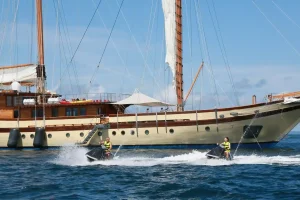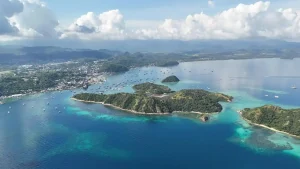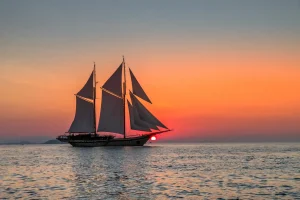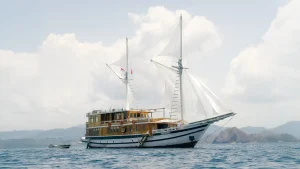

Planning a Labuan Bajo marina stay is different from pulling into a big-city Mediterranean or Caribbean port. Here you’re sitting at the doorway to Komodo National Park and the wider Flores Sea, sharing the bay with phinisi fleets, liveaboard dive boats, and increasingly, ocean‑going superyachts.
I treat Labuan Bajo as both a pit stop and a launchpad: a place to reset the boat, brief the crew, and then sail out with confidence that fuel, permits, and weather are all aligned. Below is the exact step‑by‑step berthing checklist I use with owners and captains preparing for their first stay at Labuan Bajo Marinas and nearby facilities.
1. Big-Picture Planning: Seasons, Routes, and Timeframes
Before I book a berth, I lock down dates against the monsoon seasons and the cruising plan.
- Know the seasons: The Flores Sea is shaped by the northwest and southeast monsoons. From roughly April to October, the southeast monsoon brings drier weather, cooler air, and more consistent trade winds. November to March is wetter, with more squalls, lower visibility, and occasional strong thunderstorms.
- Best primary sailing window: For most yachts I recommend scheduling Labuan Bajo as a base between June and September. You get calmer seas in the lee of Flores, better diving visibility in Komodo National Park, and more predictable passages to places like Sumbawa or Alor.
- Transitional periods: April–May and October–early November can be excellent: lighter winds, some rain, but fewer crowds on the Komodo anchorages and moorings.
- Routing perspective: Coming from the west (Bali/Lombok), I plan for a final fuel and provisioning stop in Benoa or Gili/Lombok, then a direct run via Sumbawa to Labuan Bajo. From the east (Alor, Banda), I watch for swell pushing through the Flores Sea and tidal gates around narrow passes.
- Weather resources: I always cross‑check GRIB data with basic synoptic charts, plus IMO and BMKG (Indonesian meteorology agency) bulletins. For grounding, see the regional overview of the Flores Sea on Wikipedia.
Once the seasonal window is clear, I block out at least 3–7 days in Labuan Bajo for a first visit: marina check‑in, Komodo park formalities, dive gear checks, and crew changes.
2. Pre-Arrival Checklist: Berth, Draft, Permits, Crew Logistics
Next, I move into the practical side of planning a Labuan Bajo marina stay. Do this 2–8 weeks before arrival if possible, longer if the yacht is foreign‑flagged and commercial.
Berth and vessel details
- Reserve a berth or mooring: Contact Labuan Bajo Marinas early with LOA, beam, draft, and arrival window. Draft is crucial; some parts of Labuan Bajo Bay are shallow and silty, while the dedicated marina basins and pontoons accommodate a clear depth range more suitable for yachts and superyachts.
- LOA and maneuvering room: For superyachts above ~35–40 m, I always confirm turning circle, approach route, and tug or RIB assistance on standby, especially during spring tides or crosswinds.
- Shore power and water: Check available power (typically 220V, 50Hz; higher amperage points for larger vessels) and clarify adaptors. Confirm potable water availability and typical pressure for bunkering.
Customs, Immigration, and CAIT / sailing permits
- CIQP status: Labuan Bajo is a growing gateway, but for many foreign yachts CIQP (Customs, Immigration, Quarantine, Port) clearance still happens at major ports such as Bali (Benoa), Surabaya, or Jakarta. Then you coast‑hop to Flores.
- Yacht clearance and CAIT: Indonesia previously required a “CAIT” cruising permit; policies have evolved, and requirements depend on flag, commercial vs private, and itinerary. I always coordinate with a local agent or marina office to check the official Indonesia Travel site and the latest yachting circulars.
- Park permits and ranger fees: Komodo National Park entry, diving, and trekking fees are separate. Plan for park permits for guests and crew, boat entry fees, and ranger arrangements for Rinca/Komodo island visits.
Crew, agents, and logistics
- Agent or self-handled? For private yachts doing a short Flores loop, some captains manage paperwork themselves. For commercial charter or superyachts, I strongly prefer using a local agent connected with guide services and park authorities.
- Flights and crew changes: Komodo Airport (LBJ) has frequent flights to Bali and Jakarta. When planning a Labuan Bajo marina stay for liveaboard turnarounds, I align arrival and departure days with morning flights to keep the afternoon free for safety briefings and provisioning.
- Guest baggage and provisioning timing: Arrange for groceries and fresh produce to arrive after the bulk of guest luggage, not before. Tropical heat is unforgiving on fresh greens sitting on the quay.
3. Approach, Arrival, and First 24 Hours in the Marina
The entry to Labuan Bajo Bay is straightforward in daylight, but the density of traffic demands vigilance.
- Daylight entry: I always aim for a daytime arrival, ideally mid‑tide with good overhead light. The bay is busy with wooden phinisi, liveaboards, local ferries, and small fishing boats with limited AIS usage.
- Call ahead on VHF/WhatsApp: One to two hours out, I confirm the berth or mooring with the marina team via VHF or WhatsApp and ask about current wind and traffic conditions inside the basin.
- Fenders and lines: Rig fenders on both sides; it’s common to raft temporarily while a phinisi or support RIB clears the fairway. I prepare extra spring lines for tidal variations.
- Current and wind: In southeast monsoon months, expect consistent breeze funneling through the bay in the afternoon. Plan your final approach with enough power to counter cross‑winds but keep wash gentle near anchored phinisi.
- Check-in with marina office: Within the first hours, I walk or send an officer to the marina office to confirm:
- Berth assignment and duration
- Passport and vessel documentation requirements
- Waste disposal (oily water, garbage, recyclables)
- Security access and guest registration procedures
For many captains, that first 24‑hour period is about stabilizing: cool the interior, top up water, do a quick systems check after the passage, and only then start sending guests ashore.
4. Facilities, Fuel, Water, and Provisioning Checklist
When planning a Labuan Bajo marina stay, I map out every consumable: fuel, water, food, ice, and critical spares.
Fuel and water
- Diesel quality: Diesel in eastern Indonesia is generally serviceable, but I always assume some particulate content. Use onboard filtration, polishers if fitted, and keep spare filters on hand.
- Bunkering plan: Confirm with Labuan Bajo Marinas or your agent how fuel is delivered: dockside hose, barge, or truck. Schedule bunkering when guests are ashore to minimize clutter and fumes.
- Fresh water: Where possible, I treat dock water as “wash‑down and tanks via onboard filtration.” Avoid filling drinking water tanks directly without at least basic onboard filtration or UV treatment.
Provisioning and supplies
- Local markets: Labuan Bajo town has a busy fish market and morning vegetable markets. Great for fresh fish, prawns, seasonal fruit, and greens. I use a deckhand or chef with a clear list and cash in small denominations.
- Supermarkets and specialty items: Small supermarkets carry dry goods, soft drinks, snacks, and a basic selection of imported items. For high‑end wines, specialty cheeses, or gluten‑free products, I usually source from Bali in advance and ship or fly in with crew.
- Ice and cold chain: Confirm ice availability and storage options; plan for increased ice usage during liveaboard dive trips and long days out in Komodo.
- Technical supplies: Generic engine oils, lubricants, and basic tools are straightforward. For brand‑specific parts (watermakers, electronics, high‑end dive compressors), I pre‑position spares with the yacht or ship via Bali or Jakarta.
5. Moorings, Anchorages, and Liveaboard Departure Points
Labuan Bajo is a working harbor and the de facto staging point for Komodo National Park. Safe mooring and anchoring habits here make life onboard much easier.
Inside Labuan Bajo Bay
- Marina berths: For most visiting yachts, I recommend securing a marina berth or serviced mooring at Labuan Bajo Marinas. You get controlled depth, security, shore power, and quick access for guests and provisioning trucks.
- Mooring fields and phinisi lines: You’ll see rows of wooden phinisi and liveaboards at anchor or moored. Keep a safe distance; many use long mooring lines and have limited maneuverability.
- Anchor etiquette: If anchoring in the bay:
- Use adequate scope; allow for local tidal range.
- Avoid blocking ferry routes and harbor access lanes.
- Respect underwater cables and no‑anchor zones indicated by local charts and marina guidance.
Komodo National Park liveaboard circuits
- Departure timing: Most phinisi and liveaboard charters depart Labuan Bajo in the morning, heading toward familiar anchorages like Sebayur, Kanawa, Gili Lawa, or Padar.
- Moorings in the park: Some popular dive and snorkel sites offer fixed moorings to protect coral. I always brief guests and crew: no anchoring on coral; follow park ranger directions at all times.
- Tidal streams: Komodo’s passes and channels can develop strong tidal currents. Time dives and transits with local tide tables and guidance from skippers with recent experience in the exact sites.
6. Safety, Crew Welfare, and Onshore Support
A good Komodo season is built on robust safety routines and crew support while alongside.
- Medical and emergency planning: Labuan Bajo has basic clinics and a hospital; serious cases are evacuated to Bali. I keep a clear medevac plan and confirm guest insurance coverage for diving and evacuation.
- Dive operations: Many yachts operate as liveaboard dive platforms. Ensure compressors are serviced, oxygen kits and first aid are complete, and dive guides are rated for current‑heavy Komodo sites.
- Crew rest and shore leave: During a Labuan Bajo marina stay, I always structure shore leave in rotations. Crews recharge faster with short, predictable breaks than one big “day off” mid‑charter.
- Laundry and cleaning: Confirm laundry services through the marina or local providers. Labuan Bajo’s climate is humid; keep cabins ventilated and manage linen turnover efficiently between guest trips.
7. Departure Checklist and Komodo/Flores Sea Passage Prep
Before casting off, I run a final structured check. It sets the tone for the entire Komodo or Flores Sea leg.
- Administrative:
- Settle marina bills and collect receipts.
- Verify that yacht documents and passports are stamped as necessary for the next legs.
- Confirm Komodo National Park permits and ranger bookings for the coming days.
- Technical and fuel:
- Fuel topped up, tanks sounded and logged.
- Water tanks and drinking water supplies checked.
- Main engines, generators, and navigation electronics tested after bunkering.
- Dive gear and tenders inspected and fueled.
- Weather and route:
- Update GRIBs and local forecasts.
- Plan departure to avoid night entry into tight Komodo anchorages.
- Adjust route for wind direction, taking advantage of lee shores around Flores where possible.
- Crew and guest briefing:
- Outline the first 48‑hour plan: anchorages, activities, safety protocols.
- Remind guests about current, jellyfish, sun exposure, and footwear for Komodo walks.
- Review emergency procedures and communication channels with bridge and tenders.
When all this is ticked off, departing Labuan Bajo stops feeling like a gamble and becomes a confident step into one of Indonesia’s most dynamic cruising grounds.
If you are planning a Labuan Bajo marina stay for 2026 and want help with berthing, clearance, Komodo itineraries, or full yacht support, contact our team on WhatsApp +62 811-3941-4563 or email bd@juaraholding.com. We work daily with private yachts, charter fleets, phinisi, and superyacht crews to make Labuan Bajo an efficient, reliable base for your Flores Sea season.