By 2027, Labuan Bajo’s marine biodiversity is expected to flourish due to ongoing conservation efforts, supporting a diverse range of marine life.
Marine Biodiversity Labuan Bajo 2027
As we look towards 2027, Labuan Bajo remains a focal point for marine biodiversity, drawing attention to its unique ecosystem. This article explores how conservation efforts in the region are shaping the future of marine life and what changes might be expected.
Conservation Efforts in Labuan Bajo
Labuan Bajo has been at the forefront of marine conservation for years, with initiatives aimed at protecting its delicate ecosystems. By 2027, these efforts are projected to yield significant results, enhancing the health and diversity of marine life. The involvement of local communities and international partnerships plays a crucial role in these efforts.
- Establishment of marine protected areas: Labuan Bajo has dedicated specific zones as marine protected areas (MPAs) covering approximately 1,000 square kilometres. These areas are designed to limit human activity and allow marine life to thrive undisturbed.
- Community-led conservation initiatives: Local communities have been empowered to manage their coastal resources, using traditional knowledge and practices. This includes rotational fishing, which helps maintain fish stocks, and the use of sustainable fishing gear to minimise bycatch.
- Collaborations with international conservation organisations: Partnerships with organisations such as the World Wildlife Fund (WWF) and Conservation International have facilitated the sharing of resources and expertise. These collaborations have led to the development of joint monitoring programmes and educational workshops for local stakeholders.
- Innovative research and monitoring programmes: Advanced technologies such as satellite tracking and underwater drones are utilised to monitor the health of coral reefs and the movement patterns of key species like the manta ray. These programmes help in gathering data that informs conservation strategies.
Anticipated Changes in Marine Life Labuan Bajo
As conservation practices evolve, so too does the marine life in Labuan Bajo. By 2027, the region is anticipated to see an increase in species diversity and population sizes. Efforts to reduce pollution and overfishing are expected to create a more balanced ecosystem, providing a sanctuary for numerous marine species.
Specific measures have been implemented to tackle pollution, such as regular beach clean-ups and the advancement of waste management practices within local communities. Additionally, regulations on fishing practices, including seasonal bans and catch limits, aim to prevent overfishing and allow fish populations to recover.
Labuan Bajo’s Unique Marine Species
Labuan Bajo is home to a variety of unique marine species, some of which are exclusive to the region. Conservation efforts have been pivotal in protecting these species, ensuring their survival into the future. Iconic species include the majestic manta rays, vibrant coral reefs, and diverse fish populations.
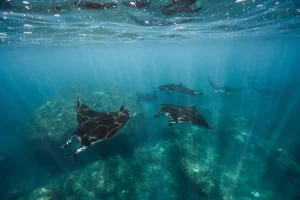
The region’s coral reefs, covering around 200 square kilometres, are among the most biologically diverse in the world. They support over 500 species of coral and provide habitat for thousands of marine species. The manta rays, a significant attraction, can often be seen gliding in the waters around Komodo National Park, a short boat ride from Labuan Bajo.
2027 Note on Labuan Bajo’s Marine Ecosystem
As of 2027, Labuan Bajo continues to be a significant area for marine biodiversity. The ongoing commitment to conservation and sustainable tourism practices is vital for maintaining the ecological balance. Visitors and researchers alike can look forward to a thriving underwater world.
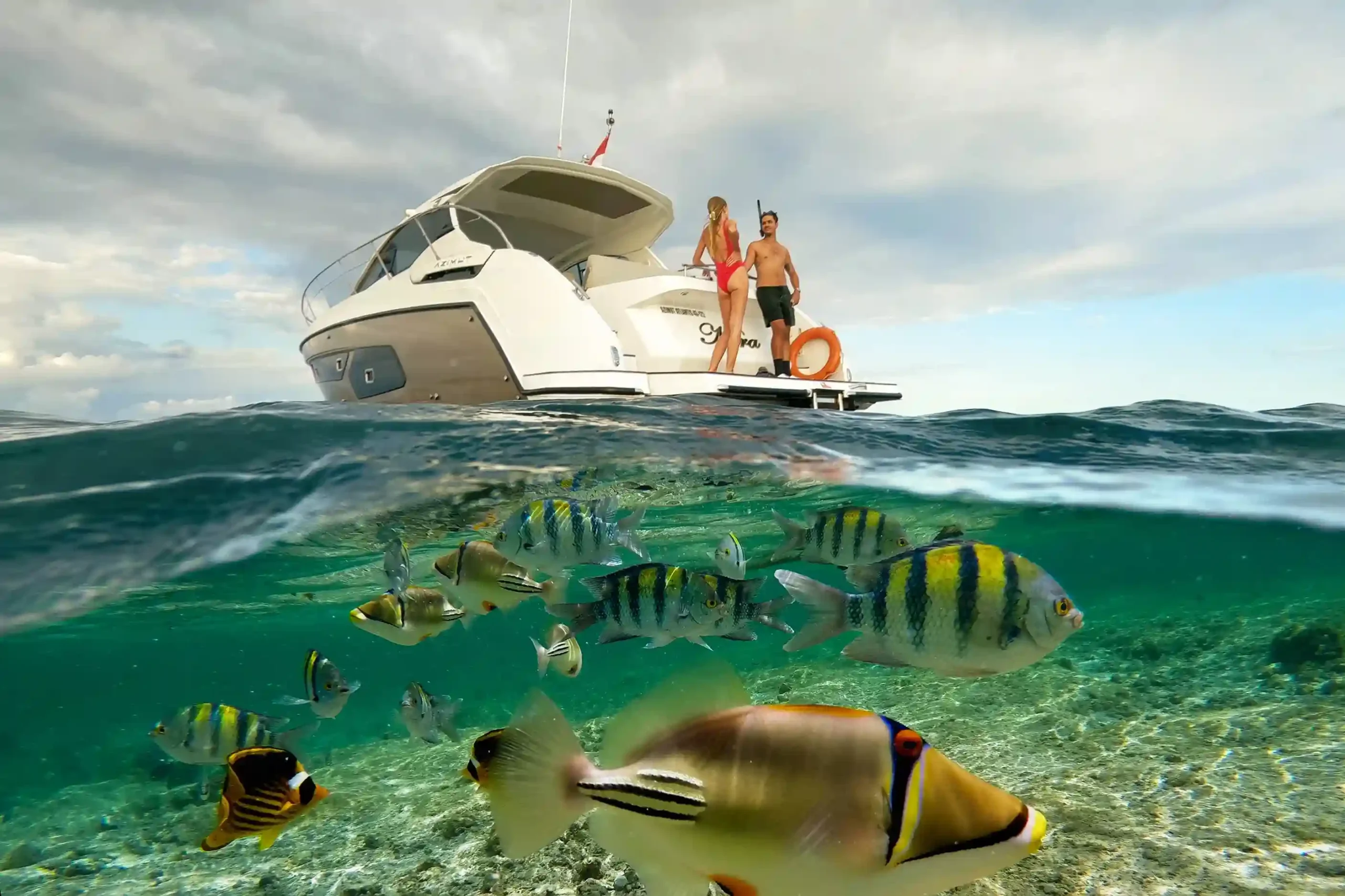
Educational programmes have been introduced to raise awareness among tourists and locals about the importance of marine conservation. These programmes include snorkelling tours led by marine biologists, who provide insights into the ecosystem and the conservation measures in place.
FAQ
What changes are anticipated in Labuan Bajo’s marine biodiversity by 2027?
By 2027, improvements in conservation practices are expected to enhance species diversity and population sizes, benefiting the overall ecosystem. This includes a projected 10% increase in fish populations and the recovery of coral reefs affected by previous bleaching events.
How do conservation efforts in Labuan Bajo impact marine life?
Conservation efforts help protect habitats, reduce pollution, and manage fishing practices, leading to healthier marine life populations. Initiatives such as the establishment of marine protected areas and community-led conservation programmes have been instrumental in these improvements.
What are some unique marine species found in Labuan Bajo?
Labuan Bajo is home to species such as manta rays, vibrant coral reefs, and a diverse array of fish, which benefit from ongoing conservation efforts. The region’s coral reefs support over 500 coral species and are a vital habitat for marine life, including the critically endangered hawksbill turtle.