
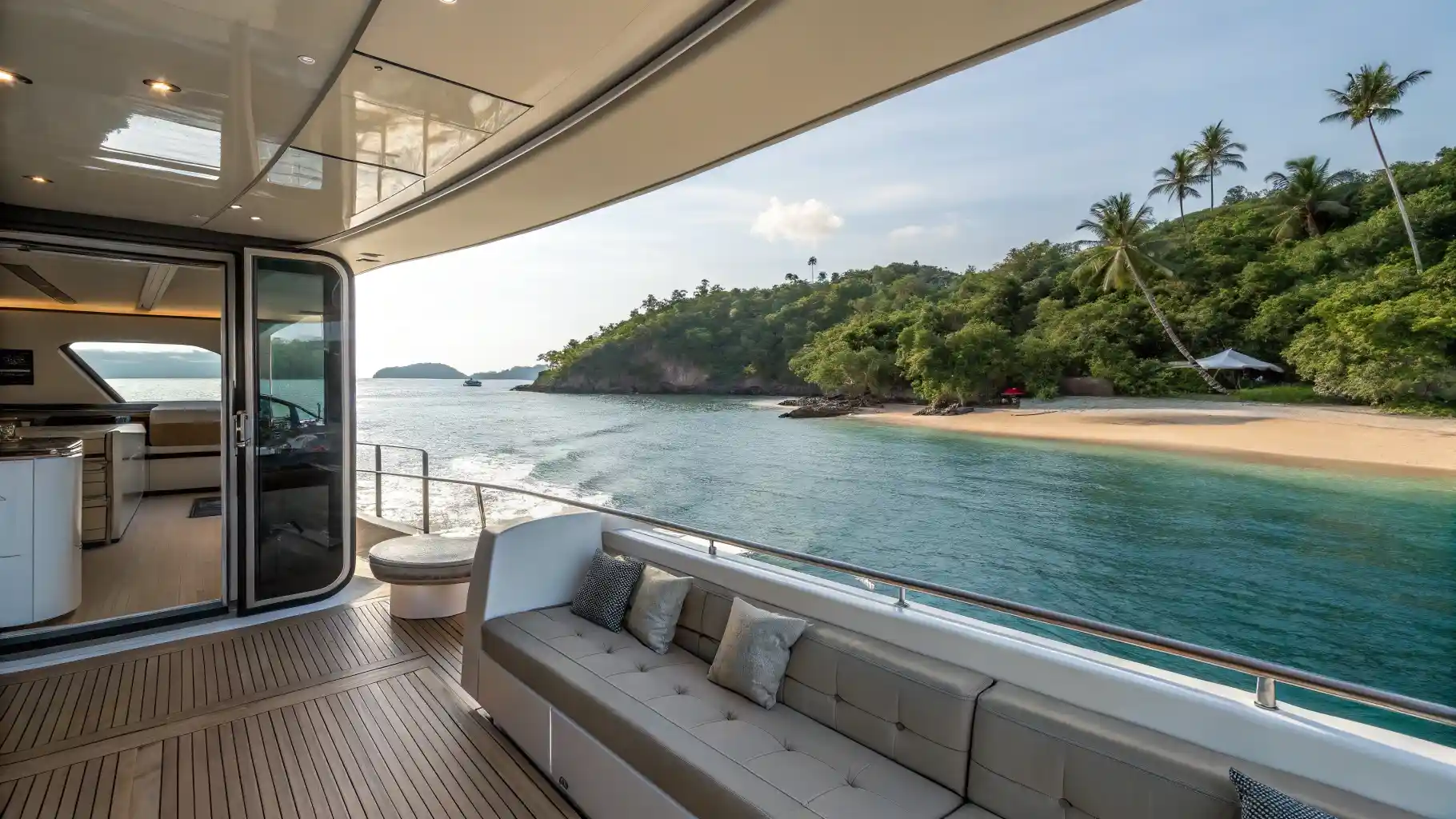
By 2027, marina technology will revolutionise the boating experience with increased automation, sustainability, and advanced connectivity.
Marina Technology 2027: What’s on the Horizon?
As we approach 2027, the landscape of marina technology is set to undergo substantial changes, particularly in Labuan Bajo. The integration of advancements will reshape how marinas operate, providing an enhanced experience for both marina managers and boaters. Let’s explore the key innovations expected in future marinas in Labuan Bajo.
Smart Infrastructure: The Cornerstone of Future Marinas
Smart technology is anticipated to be a fundamental component of marina operations by 2027. This includes automated docking systems, which utilise advanced sensors and AI to assist in precise and safe docking, even in challenging weather conditions. These systems may employ technologies like LiDAR and ultrasonic sensors to detect obstacles and adjust docking paths accordingly. Additionally, smart grids within marinas will optimise energy use, ensuring that both boats and facilities run efficiently. For example, energy demand can be dynamically adjusted based on real-time data from weather forecasts and occupancy rates, potentially reducing energy consumption by up to 30%.
Sustainability: A Core Focus of Marina Technology in 2027
Environmental sustainability will be at the forefront of marina technology by 2027. Future marinas in Labuan Bajo are expected to incorporate solar panels, wind turbines, and energy-efficient lighting systems to minimise their carbon footprint. The integration of solar panels could cover large areas of marina rooftops and floating structures, generating enough electricity to power essential services. Wind turbines, strategically placed to harness the coastal winds, could further supplement energy needs. Waste management systems will also see improvements, with advanced filtration and recycling mechanisms reducing environmental impact. These systems could include anaerobic digesters for organic waste and compactors for recyclables, aiming to reduce landfill contributions by up to 50%.
Advanced Connectivity: The Digital Transformation
Connectivity will be a key feature of marina technology in 2027, transforming marinas into digital hubs. High-speed internet and IoT-enabled devices will allow boaters to monitor their vessels remotely. Such connectivity will facilitate real-time updates on weather conditions, berth availability, and marina services, enhancing the overall user experience. For instance, boaters could receive alerts on their smartphones about upcoming storms, enabling them to make timely decisions regarding their vessels. Additionally, the integration of smart apps could streamline the process of booking berths, paying fees, and accessing services, making marina visits more convenient and efficient.
- Automated docking systems
- Smart energy grids
- Renewable energy sources
- Advanced waste management
- IoT-enabled monitoring
Security Enhancements: Protecting Mariners and Assets
Security technology will also see significant advancements. Future marinas in Labuan Bajo will employ robust security measures, including biometric access controls and AI-driven surveillance systems. These technologies will ensure a safe environment for boaters and their vessels, reducing risks of theft and unauthorised access. Biometric systems, such as fingerprint and facial recognition, could be used to control access to docks and facilities, while AI-enhanced surveillance cameras might be capable of detecting unusual activities and alerting security personnel in real-time.
2027 Note: Embracing Innovation at Labuan Bajo Marinas
By 2027, Labuan Bajo marinas will be at the forefront of maritime innovation. The implementation of these technologies not only enhances operational efficiency but also aligns with global trends towards sustainability and digital transformation. As the industry evolves, staying informed about these developments will be crucial for anyone involved in marina management or boating activities. The adoption of these innovations will likely be supported by collaborations with technology firms and environmental organisations to ensure that the transition is both effective and sustainable.
FAQ
What technological advancements are expected in marinas by 2027?
By 2027, marinas are expected to feature automated docking systems, smart grids, renewable energy solutions, advanced waste management, and enhanced connectivity with IoT devices. These advancements aim to improve efficiency, sustainability, and user experience.
How will future marinas in Labuan Bajo address sustainability?
Future marinas in Labuan Bajo will focus on sustainability by integrating renewable energy sources, such as solar panels and wind turbines, along with advanced waste management systems to reduce environmental impact. Efforts will be made to use eco-friendly materials in construction and maintenance, further minimising ecological footprints.
What role will connectivity play in marina technology by 2027?
Connectivity will transform marinas into digital hubs, with high-speed internet and IoT-enabled devices allowing remote monitoring and real-time updates, significantly enhancing the boating experience. Boaters will benefit from streamlined services, enhanced safety, and improved communication with marina staff, all of which contribute to a more and enjoyable experience.