When I talk about who Labuan Bajo marinas are for, I’m not speaking in abstract marketing language. I’m talking about actual hulls, draft numbers, turnaround schedules, fuel burn rates, and clearance paperwork that must be right if you are going to run Komodo and the wider Flores Sea safely and profitably.
Labuan Bajo has shifted within a decade from sleepy port to Indonesia’s primary Komodo cruising hub. That shift changes how skippers plan their seasons, how charter investors position their fleets, and how superyacht captains route across Eastern Indonesia. This article is my straight answer on who benefits most from using Labuan Bajo Marinas as a base, what each segment can expect, and how 2026 sailing seasons and regulations are shaping operations.
1. Core Use-Case: Who Labuan Bajo Marinas Are For in 2026
Let’s start with a clear list. When I assess who Labuan Bajo marinas are for, I see six primary groups:
- Traditional Indonesian phinisi fleets operating multi-day Komodo and Flores itineraries
- Superyachts (35–120 m) transiting or seasonal-basing in the Flores Sea
- Charter and liveaboard operators running dive, leisure, and expedition programs
- Private cruising yachts (mono and multi-hull, typically 10–30 m) exploring Eastern Indonesia
- Delivery crews and technical stopovers needing maintenance, fuel, and logistics
- Support vessels: chase boats, RIB fleets, supply tenders, and day charter boats
Every group uses the same water but in very different ways. A 50 m superyacht with 3.5 m draft needs predictable berths, high-volume diesel, and tender access. A 24 m phinisi with liveaboard divers needs fast turnarounds, laundry, waste handling, and crew rotations that work on weekly cycles. A 13 m catamaran on a world trip needs fuel, charts, and a weather window to the Banda Sea.
Labuan Bajo Marinas exist to align those needs with marina design, service workflows, and local Komodo National Park rules.
2. Phinisi Charter and Liveaboard Fleets: Komodo Turnaround Engines
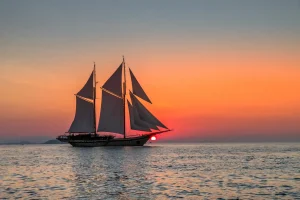
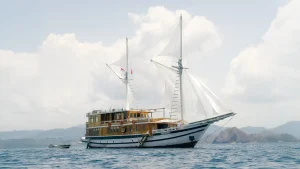
Phinisi operators account for the highest movement volume in and out of Labuan Bajo. If you own or manage a phinisi or wooden liveaboard from roughly 20–45 m LOA, this is your natural home port for the Komodo sector.
Typical phinisi requirements I see day to day:
- Frequent turnarounds: 2–4 night or 7–10 night charters, fast provisioning, water, and guest changeovers.
- Mooring and short-stay berths: Secure berths or moorings for lay days between trips, with dependable shore access.
- Fuel and water logistics: Mid-range bunkering volumes, usually 2–8 kL per top-up, plus reliable freshwater loading.
- Waste and greywater handling: Systems that keep vessels compliant with Komodo National Park regulations.
- Crew base: A practical onshore platform for crew rotations, safety drills, and basic maintenance.
Phinisi operators benefit most when the marina functions as a “charter engine room.” That means consistent dockside support, predictable slots for refuelling, and walkable access to markets and suppliers in Labuan Bajo town. The yard and technical network around the port also matters for hull work, carpentry, and rigging – all vital for traditional wooden fleets.
In 2026, as Komodo visitation re-stabilises and park rules keep tightening, using a structured marina base instead of random anchoring in the bay makes your operation easier to audit, easier to insure, and easier to scale.
3. Superyachts and Explorer Yachts: The Komodo and Flores Sea Gateway
The second major segment when we ask who Labuan Bajo marinas are for is the superyacht community. Vessels from 35–120 m now treat Labuan Bajo as a critical gateway for East Indonesian cruising, usually arriving via Bali, Sumbawa, or directly from the Indian Ocean or Timor Sea.
Superyacht captains look for very specific criteria:
- Safe depth and manoeuvring room: Enough depth alongside and in approach channels for drafts around 2.5–4.5 m, with sheltered turning space.
- Secure berths or controlled moorings: For both busy charter weeks and low-profile owner use.
- High-volume diesel supply: Coordinated fuel deliveries in the tens of thousands of litres, with quality control and sensible pumping rates.
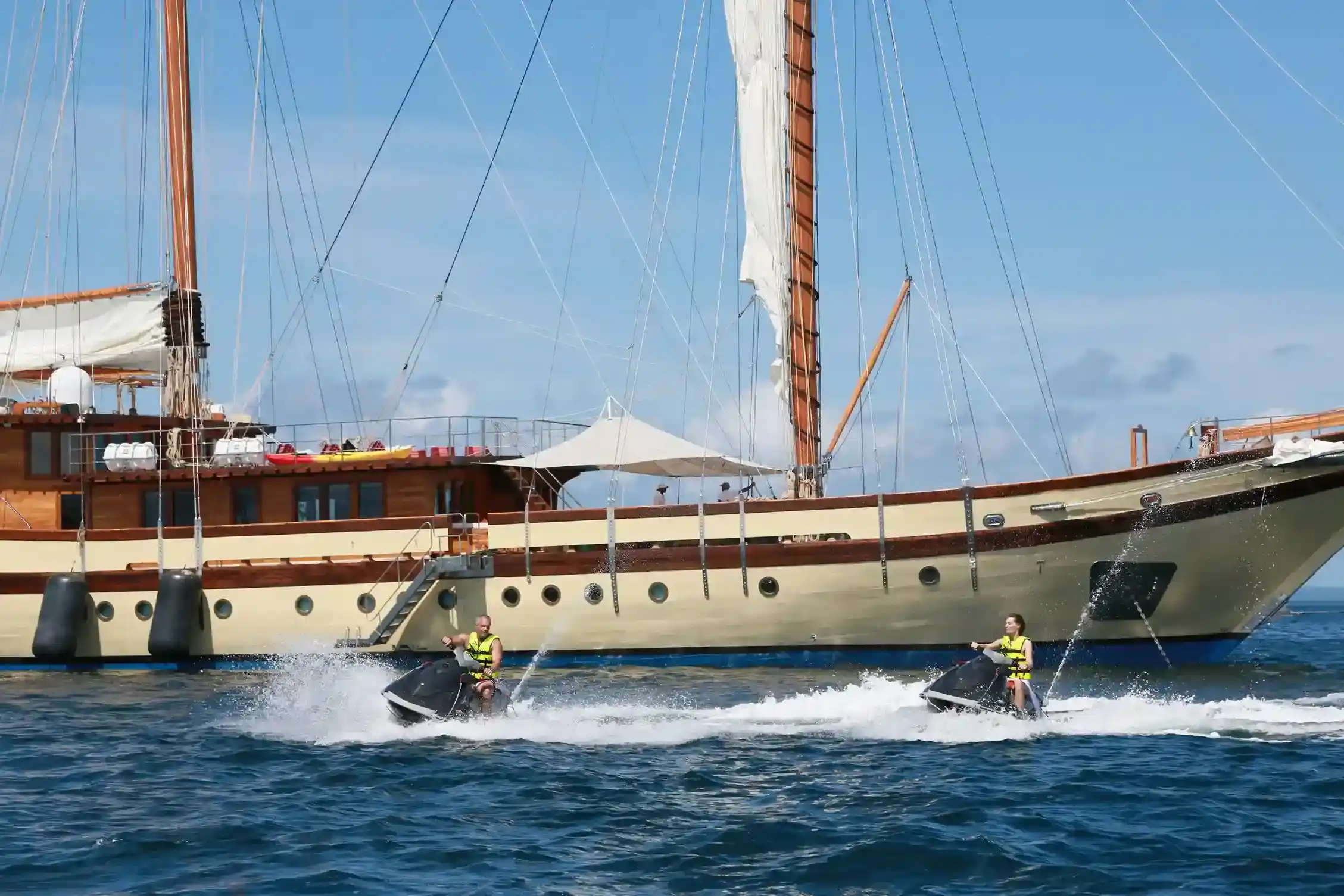
- Tender and toy operations: Staging areas where 8–12 m tenders, chase boats, and RIBs can operate without chaos.
- Helicopter and VIP handling coordination: Liaison with local infrastructure and aviation support where available.
- Discreet provisioning and waste removal: So the yacht’s footprint in a relatively small town remains manageable.
Labuan Bajo’s role is similar to how Port Denarau serves Fiji or how Port Vila serves Vanuatu: a compact but increasingly capable hub for a broad cruising ground. While facilities continue to evolve, the combination of marina infrastructure, port authority, and air links makes it the only realistic superyacht turnaround point for Komodo and much of the Flores Sea.
For captains planning an Eastern Indonesia season, I recommend building at least one solid service window at Labuan Bajo Marinas into your schedule: heavy provisioning, document checks, fuel, and crew changes, before committing to more remote anchorages like Alor, Solor, or the Banda Sea.
4. Private Cruisers and Bluewater Sailors: Safe Base Between Bali and Raja Ampat
Private monohulls and catamarans – from 10 m family cruisers to 25 m expedition sailing yachts – have a different decision process. For this group, finding out who Labuan Bajo marinas are for usually means asking:
- Is it safe to leave the boat for a month while we travel overland?
- Can we get fuel, spares, laundry, and basic rigging work done?
- Is this a sensible jump-off point for Banda, North Maluku, or Raja Ampat?
For most private cruisers in 2026, the answer is yes – Labuan Bajo is your logical “reset point” between Bali and the more remote east. You gain:
- Protected berth or organised mooring: A step up in security from anchoring off a random village pier.
- Access to provisioning: From traditional markets to modern supermarkets that keep improving year-on-year.
- Local knowledge: Briefings on Komodo National Park zones, currents, and seasonal winds.
- Clearance support: Guidance on Indonesian formalities and domestic routing if you’re mid-Indonesia cruise.
Cruisers operating on tighter budgets still mix anchoring, mooring, and short marina stays, but having a reliable marina as a base gives flexibility. It also allows for safe onshore excursions across Flores (to Kelimutu, Bajawa, Wae Rebo and beyond) while the yacht remains in watchful hands.
5. Anchorages, Moorings, and Komodo Liveaboard Departure Points
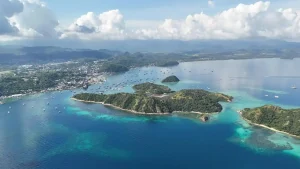
Labuan Bajo is more than a single set of pontoons; it’s the starting line for most Komodo itineraries. The bay and surrounding waters host an ecosystem of marinas, organised moorings, and anchoring zones that influence how fleets operate.
Here’s how I look at it operationally:
- Marina berths: Best for pre- and post-charter nights, high-value vessels, poor weather, and technical stopovers.
- Organised moorings: Suitable for liveaboards and visiting cruisers during active charter rotations, with dinghy access to town.
- Anchoring areas: Used by more self-sufficient yachts that are comfortable with local depths, winds, and holding conditions.
Once you clear the bay and head west into Komodo National Park you move into a controlled marine area. Sites like Padar, Gili Lawa, and various dive spots operate under more specific rules on mooring use, anchoring, and visitor numbers. Staying aligned with the latest Komodo National Park guidelines – coordinated with Indonesia’s official tourism portal and park authorities – is essential for legal and sustainable operations.
For liveaboard operators, guide-level planning at the marina stage reduces headaches once you are inside the park: you depart fuelled, provisioned, and compliant, then focus on guest experience instead of logistics.
6. Clearance, CAIT Permits, and Regulatory Reality for 2026
Indonesia has modernised parts of its yachting regulation over the last decade, and some older documents (like the classic CAIT cruising permit) have been revised or replaced in practice. However, the principle remains: foreign-flagged yachts and commercial charter vessels must play by Indonesian rules, which differ from port to port.
Labuan Bajo is one of the few locations in Eastern Indonesia where you can coordinate:
- Port clearance and reporting: Coordination with local harbourmaster (Syahbandar) and immigration when relevant.
- National park entry and zoning requirements: Compliance with Komodo National Park regulations on vessel operation, moorings, and visitor quotas.
- Commercial operations documentation: For charter vessels, liveaboards, and dive boats operating with paying guests.
Having a marina team that lives this process daily is important. Indonesian regulations are not static, and practices shift with ministerial decisions, regional directives, and environmental policy. Using Labuan Bajo as your documentation hub reduces risk of miscommunication with officials at smaller ports around the Flores Sea.
For background on Indonesia’s geography and maritime zones, I still send captains to the Indonesia entry on Wikipedia as a neutral high-level primer before we drill into the local rules.
7. Fuel, Provisioning, Seasons, and Weather Windows: Planning 2026 Operations
The last part of who Labuan Bajo marinas are for deals with time: when to base here, when to move on, and how to integrate fuel and provisioning into that plan.
Fuel and provisioning:
- Diesel supply: For commercial operators and superyachts, fuel is organised, not casual. Expect scheduled deliveries, quality checks, and realistic pumping times. For smaller cruisers, factor in lead times instead of arriving on empty tanks.
- Provisions: Labuan Bajo’s supply chain improves annually. You can source fresh produce, dry goods, and increasingly reliable cold-chain items. Import-dependent luxury items remain stochastic; plan ahead for owner or VIP charters.
- Water and ice: Readily arranged through marina channels for charter, dive, and yacht operations.
Sailing seasons and weather windows for 2026:
Patterns in the Flores Sea remain consistent with broader Indonesian monsoon cycles, with some year-on-year variations tied to phenomena like El Niño and La Niña. For planning:
- April–October: Generally drier southeast monsoon. More predictable trade-like winds, clearer water, and preferred window for charter and superyacht visits.
- July–August: Often windier; great for sailing, slightly more challenging for casual snorkellers or first-time guests.
- November–March: Wetter northwest monsoon influence. Lighter and more variable winds, occasional squalls and reduced visibility. Some operators reduce intensity of schedules but continue carefully curated itineraries.
For long-range cruisers staging at Labuan Bajo for Banda or Raja Ampat, I suggest using a conservative window between roughly late September and early November or again around March–May, fine-tuned with up-to-date forecasts and regional pilotage guides.
Using the marina as a pre-departure base lets you run through rig checks, safety drills, and engine servicing while plugged into shore power instead of rolling at anchor.
So, Who Should Actually Base at Labuan Bajo Marinas?
When you strip away the marketing language, here is my practical summary of who Labuan Bajo marinas are for in 2026:
- Phinisi and liveaboard fleets that need a structured weekly or monthly turnaround platform.
- Superyachts and explorer yachts that require a secure, service-capable gateway to Komodo and the Eastern Indonesian archipelago.
- Charter, dive, and expedition operators who want predictable logistics and compliance support.
- Private cruising yachts looking for a safe mid-Indonesia base, between Bali and more remote eastern waters.
- Delivery crews and support vessels needing technical, bunkering, and rest windows.
If your operation touches any of those categories, then using Labuan Bajo Marinas as a base will likely make your Komodo and Flores Sea seasons more efficient, safer, and easier to scale.
To discuss berthing, fleet basing, or superyacht support for 2026 and beyond, contact our team via WhatsApp at +62 811-3941-4563 or email bd@juaraholding.com. We can walk through your vessel profile, season plans, and regulatory needs, and map out a realistic operating plan for Labuan Bajo and Komodo.