
If you are planning a Komodo season, the best time to use Labuan Bajo marinas is not just “the dry months”. It is about aligning your arrival, crew changes, charters, provisioning runs, and maintenance with Flores Sea weather patterns that shift month by month.
I skipper and support yachts that cycle through Labuan Bajo every year. Below I break down how the seasons, wind and swell directions, marina availability, and Komodo National Park conditions work together for 2026 planning, so you can treat Labuan Bajo as a reliable, repeatable base rather than a one-off logistical headache.
Why Labuan Bajo Is the Logical Komodo Cruising Hub
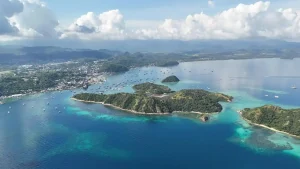
Labuan Bajo sits on the northwest tip of Flores, directly facing Komodo National Park across the Lintah Strait, roughly 8–12 nautical miles from many of the core dive and cruising sites. The town is now the operational heart of Komodo tourism and the primary yacht gateway for the central Flores Sea.
From a skipper’s perspective, three things matter:
- Protected approaches: Entry from the Flores Sea is straightforward in settled weather, with charted depths and visual ranges that usually exceed 10–15 nm.
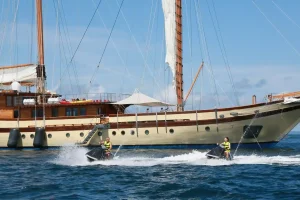
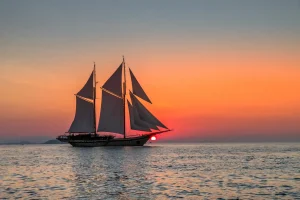
- Existing marine service culture: Long‑running phinisi fleets and superyacht support teams are based here, used to quick turnarounds and last‑minute demands.
- Direct access to the park: You can clear logistics in town by morning and be moored at Padar or Gili Lawa before sunset.
Labuan Bajo Marinas is being developed precisely with this flow in mind: secure berths, streamlined provisioning, and a shore base tuned to phinisi fleets, private cruising yachts, and superyachts using Labuan Bajo as their Komodo headquarters.
Seasonal Weather: How Flores Sea Conditions Shape Your Schedule
Labuan Bajo sits in the transition zone between the drier Nusa Tenggara region and the wetter parts of Indonesia. The large‑scale pattern still follows the classic monsoon cycle you will read about on Indonesia climate references, but local effects around Komodo are strong.
Broadly, think of three operational seasons for 2026:
- Dry Trade Season – May to October
Dominant SE–ESE trade winds at 10–20 knots. Generally lower rainfall, improved visibility, moderate seas in the Flores Sea. Cooler nights, water temperatures ~26–28°C. This is the main charter and liveaboard window and the best time to use Labuan Bajo marinas for predictable berthing and changeovers. - Transition Periods – April and November
Wind shifts, lighter and more variable. Squalls appear, but extended calms are common. Seas flatten, but convection can bring short, sharp downpours. Great windows for passages in and out of the region if you can tolerate some uncertainty. - Wet Northwest Monsoon – December to March
Dominant NW–W winds, higher humidity, more frequent squalls and heavy rain. Visibility can drop during showers. Seas on exposed west‑facing coasts get lumpier. Komodo anchorages still work, but schedules must stay flexible.
Because Komodo National Park sits behind lines of islands and channels, it often experiences more benign conditions than the open Flores Sea. That is why using Labuan Bajo Marinas as a base remains practical year‑round, provided you match your activities to the month:
- Plan long passages and yard periods around the calmer shoulder and early dry months.
- Pack intensive charter rotations into June, July, August, and September.
- Shift to more conservative routing and timing during January–March.
Month‑by‑Month: Best Time to Use Labuan Bajo Marinas in 2026
Here is a planning‑grade overview for 2026. Wind strengths are indicative, based on recent years and Flores Sea norms.
- January–February: NW monsoon at 10–25 knots, squally periods, higher rainfall. Seas 1.5–2.5 m on exposed coasts, often less inside the park. Good for hardy liveaboards and private cruising that can flex routes. Less ideal for tight charter turnarounds.
- March: Still wet, but breaks between systems get longer. Windowed passages from Bali, Lombok, or Makassar become realistic if you watch forecasts carefully and allow delays.
- April: First key transition month and the start of the best time to use Labuan Bajo marinas. Winds settle down, more variable at 5–15 knots, seas ease, and rain reduces. Excellent for positioning voyages and for early‑season charters that prefer quieter anchorages.
- May: Reliable part of the best time to use Labuan Bajo marinas. SE trades start to lock in, skies clear, swell drops across the Flores Sea. Daytime winds 10–18 knots are common, sea states moderate and regular. Perfect for staging superyachts and setting up phinisi and liveaboard fleets.
- June–August: Peak dry season and peak demand. SE–ESE 15–20 knots most afternoons, lower humidity, almost no disruptive weather. These months are operationally the best time to use Labuan Bajo marinas if you prioritize reliability: flight schedules, provisioning supply chains, and port processes all run at full tempo.
- September: Still firmly within the best time to use Labuan Bajo marinas. Winds can ease slightly, but remain mostly from the SE, sea conditions stay friendly, and crowds start to thin toward late month, giving better berth and mooring flexibility.
- October: Late dry season. Variable SE–NE winds, mostly light in the mornings with local sea breezes. Seas become flatter, humidity creeps up. Fine for charters, and excellent for repositioning east or west before the wet sets in.
- November: Second transition month. Storms build, but long calm windows still occur. Use this month for carefully timed passages or end‑of‑season maintenance at a marina berth while watching the forecasts daily.
- December: NW monsoon returns. Commit only if your operation can handle last‑minute changes to departure and arrival times. Komodo is still workable, but be realistic about comfort at anchor and visibility for diving and snorkelling.
For current national‑scale seasonal outlooks, I cross‑check with official Indonesian tourism and weather channels, for example general guidance at indonesia.travel, then drill down with marine GRIBs and local reports.
Berths, Moorings, and Anchorages: How to Combine Them Smartly
Using Labuan Bajo as a hub is not about staying in a marina all week. It is about blending:
- Marina berths in town for arrivals, departures, engineering, and provisioning.
- Moorings and anchorages inside Komodo National Park for operational days.
A typical rhythm for a weekly charter or liveaboard cycle:
- Day 0–1: Vessel at a Labuan Bajo Marinas berth. Fuel, water, provisions, light maintenance, crew rest. Guests arrive via Komodo Airport (LBJ) and transfer straight to the marina.
- Days 1–6: Operate primarily on park moorings and anchorages around Komodo, Rinca, Padar, Siaba, Gili Lawa, and nearby reefs. Return to town only if needed.
- Final day: Return to marina berth for guests to disembark, garbage offload, technical checks, and turnaround.
Inside the park, depths, currents, and reef structure vary sharply over short distances. Some practical notes:
- Current awareness: Tidal exchanges in narrow channels can exceed 3–4 knots. Plan transits through current‑prone passes near slack whenever possible.
- Anchoring ethics: Coral damage is an ongoing concern. Use installed moorings where available, otherwise anchor well clear of visible reef and bommies, usually in sand at 15–30 m.
- Night movements: Keep them to a minimum. Unlit fishing gear and small local craft are common, even inside the park.
The advantage of a modern base like guide-level marina facilities is the ability to reset between trips: shore power, steady water supply, secure berths, and support staff who understand the rhythm of charter and liveaboard operations.
Fuel, Water, and Provisioning: Timing Your Runs
Fuel and supplies in Labuan Bajo are abundant compared with the rest of eastern Indonesia, but the details matter if you are running tight schedules.
Fuel
- Marine diesel is available year‑round through local suppliers and agents, sometimes ex‑truck or barge depending on vessel size.
- During peak season (June–September), plan fuel orders at least 24–48 hours in advance to avoid delays.
- Expect quality consistent with Indonesian standards; many superyachts use onboard filtration and polishing as an extra layer of assurance.
Water
- Potable‑grade water is usually delivered by hose or truck at the marina. Many vessels still prefer to run watermakers as primary supply, using shore water for washing or backup.
- Pressure and flow can drop slightly in high‑demand afternoon windows. I schedule heavy bunkering early morning or late evening when possible.
Provisioning
- Fresh produce, poultry, and dry goods are easily obtained in town, with improved logistics during the dry season when roads and flights are more reliable.
- Imported meats and specialty items require pre‑planning and coordination with agents or specialist suppliers, especially for large superyacht orders.
Again, the best time to use Labuan Bajo marinas for provisioning efficiency is May–October, when flight schedules into LBJ are stable, truck deliveries run on time, and supply chains are not disrupted by continuous rain or local flooding.
Clearance, CAIT‑Style Permits, and Park Regulations
Indonesia has simplified yacht entry and cruising permits dramatically over the past decade. You will still hear old hands talk about “CAIT” (the previous formal cruising permit system), but the processes now rely more on:
- International arrival clearance (CIQP: Customs, Immigration, Quarantine, Port).
- Yacht‑specific entry rules and the use of agents if you want friction‑free processing.
- Separate Komodo National Park permits and daily fees for vessels, passengers, and certain activities.
When using Labuan Bajo as a hub for 2026:
- Confirm current yacht entry and clearance rules through your agent before departure; regulations can shift with limited international publicity.
- Factor at least one full working day for first‑time clearance in or out, although in practice it often runs faster with prepared paperwork.
- Coordinate Komodo National Park permits and payments ahead of your guests arriving, particularly in high season when visitor numbers spike.
The practical advantage of a base like Labuan Bajo Marinas is the ability to combine berth allocation, fuel, provisions, and paperwork through one local team, saving skippers from running all over town between offices.
Sailing Routes, Seasons, and Practical Weather Windows
Finally, align your broader route planning with Flores Sea patterns:
- Arriving from the west (Bali, Lombok, Sumbawa):
Target April–June or September–October. These shoulder and early dry months give you manageable headwinds or comfortable reaching conditions without the more boisterous SE trades of July–August. - Arriving from the north (Sulawesi, Makassar, Raja Ampat line):
NE monsoon transitions around March–April and October–November are ideal for easy southbound crossings. In the NW monsoon core (December–February), expect more squalls and confused seas. - Continuing east (Alor, Timor, Banda Sea):
The classic eastbound window is May–September, when trades give you predictable sailing and safer lee shores. Plan to refuel, rest, and re‑provision in Labuan Bajo before pushing further into areas with sparser support.
Throughout, treat Labuan Bajo as a reset point: a place to wait for the next synoptic window, not just a refuelling stop. With reliable berthing and shore services, holding a yacht for an extra day to dodge a squall line becomes an easy decision rather than a budget‑breaking delay.
If you are planning Komodo and Flores Sea operations for 2026 and want up‑to‑date berthing, marina development timelines, or local support, contact our team by WhatsApp at +62 811-3941-4563 or email bd@juaraholding.com. We are happy to help you build a practical schedule around the best time to use Labuan Bajo marinas for your yacht, charter fleet, or liveaboard operation.