Eco-friendly yachting practices in 2027 focus on sustainable technologies and mindful boating habits to protect marine environments. Embracing these practices ensures a healthier future for our oceans.
Eco-Friendly Yachting Practices
As we look towards 2027, it is crucial for the yachting community to adopt eco-friendly yachting practices to mitigate environmental impact. These practices not only preserve marine biodiversity but also demonstrate a commitment to sustainable yachting in a rapidly changing world. The adoption of these practices involves various aspects, including the integration of renewable energy sources and the implementation of advanced waste management systems. By focusing on these areas, the yachting community can significantly reduce its carbon footprint and contribute to the global effort to combat climate change.
Sustainable Yachting 2027
In 2027, sustainable yachting incorporates advanced, eco-efficient technologies and conscious decision-making. Yacht owners and operators are encouraged to integrate solar panels and hybrid propulsion systems, significantly reducing carbon footprints and reliance on fossil fuels. For instance, solar panels can be used to power onboard electrical systems, reducing the need for diesel generators. Hybrid propulsion systems, which combine electric and diesel power, offer a more efficient and cleaner alternative to traditional engines. The emphasis on sustainability extends to waste management, with yachts increasingly equipped with systems to treat and recycle waste onboard, thereby minimizing ocean pollution. This includes using compact waste compactors and advanced filtration systems for greywater and blackwater, ensuring that waste is processed responsibly before being discharged back into the sea.
Green Boating Labuan Bajo
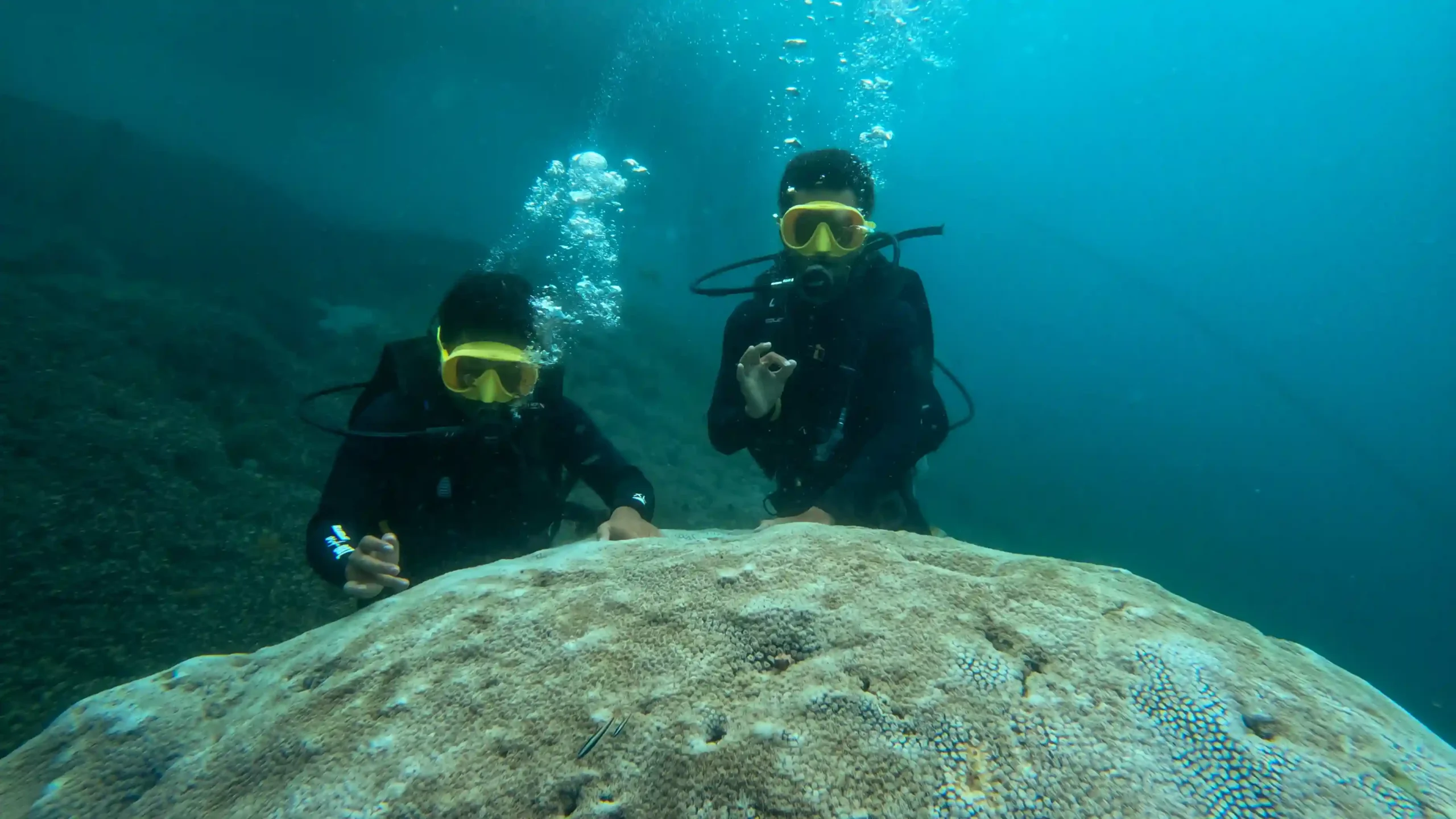
Labuan Bajo, a popular yachting destination, is leading the charge in green boating initiatives. The marinas here are equipped with facilities that support eco-friendly practices, such as waste disposal and recycling points. These facilities are strategically located to encourage boaters to dispose of waste responsibly. Boaters are encouraged to participate in local conservation efforts, including coral reef restoration projects and beach clean-ups. These projects often take place during the dry season from May to September, a time when weather conditions are optimal for outdoor activities. These initiatives not only enhance the natural beauty of Labuan Bajo but also foster a spirit of environmental stewardship among visitors. The local community and visiting yacht owners often collaborate in these efforts, creating a shared sense of responsibility and achievement.
Technological Innovations in Yachting
Technological advancements are at the forefront of eco-friendly yachting. 2027 sees the rise of smart navigation systems that optimize routes for fuel efficiency, reducing emissions. These systems use real-time data to plot courses that avoid strong currents and adverse weather conditions, thus conserving fuel. Furthermore, the adoption of eco-friendly hull coatings reduces drag and prevents invasive species from attaching to vessels. These coatings, often made from non-toxic, biodegradable materials, help maintain the vessel’s efficiency and protect marine ecosystems. Yachts are also integrating water purification technologies, ensuring clean and safe water use while at sea. Systems such as reverse osmosis and UV filtration are becoming standard, allowing yachts to produce potable water from seawater, reducing reliance on plastic bottled water.
2027 Note: The Future of Yachting
Looking ahead to 2027, the yachting industry is poised to embrace eco-friendly practices as a standard. The increasing availability of technologies and infrastructure supports this transition. For example, many new marina developments are incorporating renewable energy sources and environmental management systems from the outset. As awareness grows, the demand for sustainable yachting solutions will continue to evolve, shaping the future of boating globally. This includes not only technological innovations but also changes in regulation and policy, as governments worldwide recognise the importance of sustainable marine practices.
For more insights on sustainable yachting practices, explore our resources on Labuan Bajo marinas that are at the forefront of this movement. Additionally, learn about ongoing conservation efforts and how you can contribute through our local initiatives, which provide opportunities for yacht owners and visitors to engage directly in environmental conservation projects.
FAQ
What are the best eco-friendly yachting practices for 2027?
In 2027, the best eco-friendly yachting practices include using solar panels and hybrid propulsion systems, optimizing navigation routes for fuel efficiency, and employing eco-friendly hull coatings to reduce environmental impact. These practices are complemented by participating in local conservation efforts and adhering to regulations designed to preserve marine environments.
How can I make my yacht more sustainable?
To make your yacht more sustainable, invest in renewable energy sources, such as solar panels, install advanced waste management systems, and participate in local conservation programs when visiting destinations. Additionally, consider upgrading to a hybrid propulsion system and using eco-friendly cleaning products to reduce your environmental footprint further.
What is green boating?
Green boating refers to environmentally conscious practices in boating, including reducing emissions, using sustainable materials, and actively participating in marine conservation efforts. This approach involves not only the use of eco-friendly technologies but also the adoption of behaviours and practices that minimise the impact on marine ecosystems.