How the Town Feeds Its Fleet
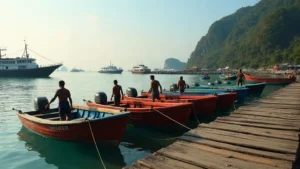
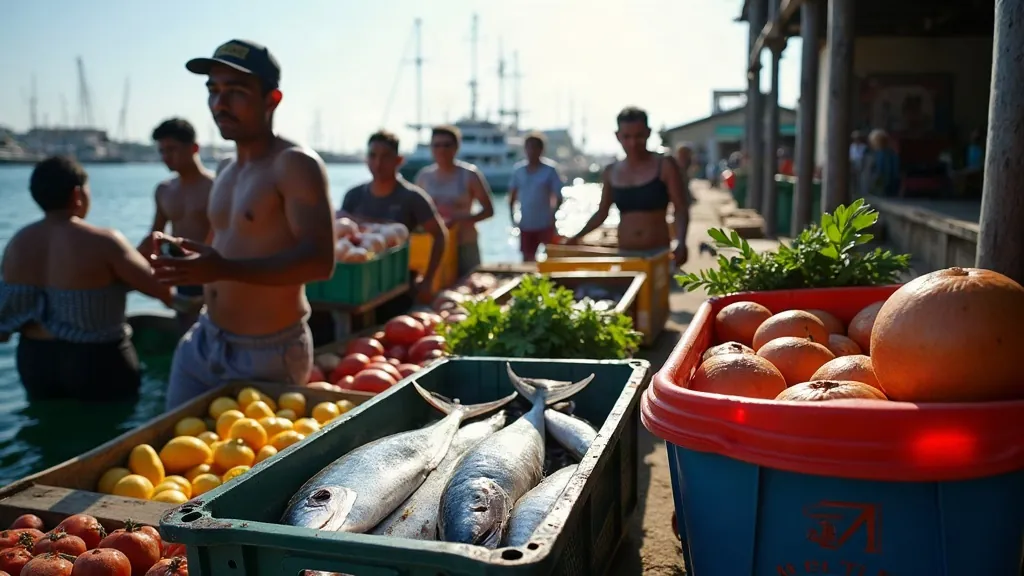
Every charter turnaround in Labuan Bajo ends the same way: a line of crates moving down a pier before dawn. The town has grown into a provisioning hub for the Komodo fleet without ever building a single dedicated chandlery-supermarket, so supply runs on a network — the wet market for fish and produce, town grocers and mini-markets for staples, and a handful of supply agents who consolidate imported and specialty goods, much of it trucked and flown in from Bali. Knowing which tier to use for which list is the difference between a provisioning bill that behaves and one that quietly doubles. We map this as independent observers of the harbour’s supply chain, and prices below are planning figures to reconfirm in the season you sail.
The Fresh Tier: Market and Grocers
The wet market near the waterfront is the fleet’s protein and produce source: tuna, mahi-mahi, snapper, and reef fish landed overnight, plus tropical fruit and vegetables in commercial quantities if you arrive by 06:00. Quality is genuinely good; the skill is in consistency, which is why most charter phinisi send the same cook or agent to the same stallholders every week. Town grocers fill in rice, eggs, oils, canned goods, and Indonesian brands at prices that make stocking staples locally obvious. For a ten-guest charter week, crews commonly plan a few hundred dollars for the fresh-and-staples layer — a fraction of what the same list would cost imported.
The Imported Tier: Agents and Lead Times
Wine, cheese, specific cuts of beef, Japanese ingredients, branded snacks guests expect — none of this sits reliably on a Labuan Bajo shelf. It comes through supply agents who consolidate orders in Bali and move them by truck-ferry or air freight. In high season, file these orders five to seven days before turnaround day; in the wet season three days is usually enough. Expect imported lines to price at a clear premium over Bali retail once freight and handling land on the invoice. Crews planning full seasons should build a standing order template with their agent — repetition improves both fill rates and pricing, and it is exactly the operational rhythm described in our charter turnaround guide.
Provisioning rhythm that works for turnaround day:
- D-7 to D-5: file imported and specialty order with your supply agent.
- D-2: confirm market list with your regular stallholders.
- D-1: bulk water and ice booked for morning delivery.
- Turnaround morning 05:30-08:00: market run, then dock deliveries, cold chain last.
- Frozen and chilled goods below decks within 30 minutes of arrival.
Water, Ice, and the Cold Chain
Drinking water arrives as 19-litre gallon bottles by the hundred, or as bulk fills for tanks — and tank water quality varies by source, so treat bulk fills as technical water unless you have verified the supply. Block and crushed ice for fish holds is available from shore suppliers with morning delivery to the pier. The cold chain is the weak link in every tropical provisioning run: insist on refrigerated or insulated transport for proteins, take delivery early, and get frozen goods below decks within minutes, not hours. Boats alongside a berth have the easy version of this; boats on moorings need a tender rotation planned around the delivery truck’s schedule, which argues for timing an alongside window on provisioning day — see our berth guide for how short alongside windows are arranged.
Getting It to the Boat
Alongside berths make provisioning trivial: trucks reverse to the pier head, crates travel one gangway. On a mooring, everything moves by tender, so crews stage deliveries into waterproof tubs, sequence heavy dry stores first and cold chain last, and brief the delivery driver on exactly which dock the tender meets. Porters at the waterfront work quickly at modest rates and know every boat’s routine. Whatever your setup, the golden rule of Labuan Bajo provisioning is written in every experienced cook’s notebook: order early, receive early, and never let the fish truck wait in the sun while the tender does a second trip.
Provisioning runs are easier to arrange from the marina day office, and most suppliers listed here sit within the walking radius mapped in our marina neighbourhood guide.
Frequently Asked Questions
Can yachts get provisions delivered directly to the dock in Labuan Bajo?
Yes. Suppliers and porters deliver to the pier head daily, and boats with an alongside berth take everything over one gangway. Vessels on moorings shuttle deliveries by tender, timed to the truck schedule.
How far ahead should imported provisions be ordered?
Five to seven days in high season, around three in the wet season. Imported lines consolidate through Bali, so late orders miss the truck-ferry cycle and arrive after your guests do.
Is the local market good enough for charter menus?
For fish, fruit, and vegetables, absolutely – overnight-landed tuna and snapper are a highlight. Imported proteins, dairy, and wine still need the agent tier, so most charter menus blend both.
Is bulk tank water in Labuan Bajo drinkable?
Treat bulk fills as technical water unless you have verified the source. Crews drink from 19-litre bottled gallons, delivered by the hundred, and reserve tank water for washing unless a trusted supply is confirmed.
Provisioning here rewards routine: the same agents, the same stallholders, the same delivery clock every week. To coordinate a provisioning-friendly berth window or supplier introductions, use the berthing enquiry desk, or contact the team on WhatsApp at +62 811-3941-4563 or bd@juaraholding.com.