How Fuel Reaches the Fleet
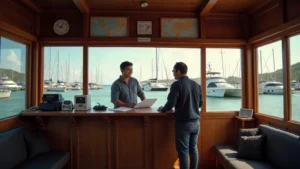
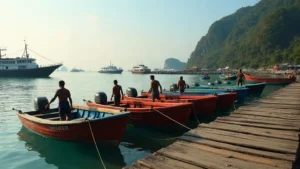
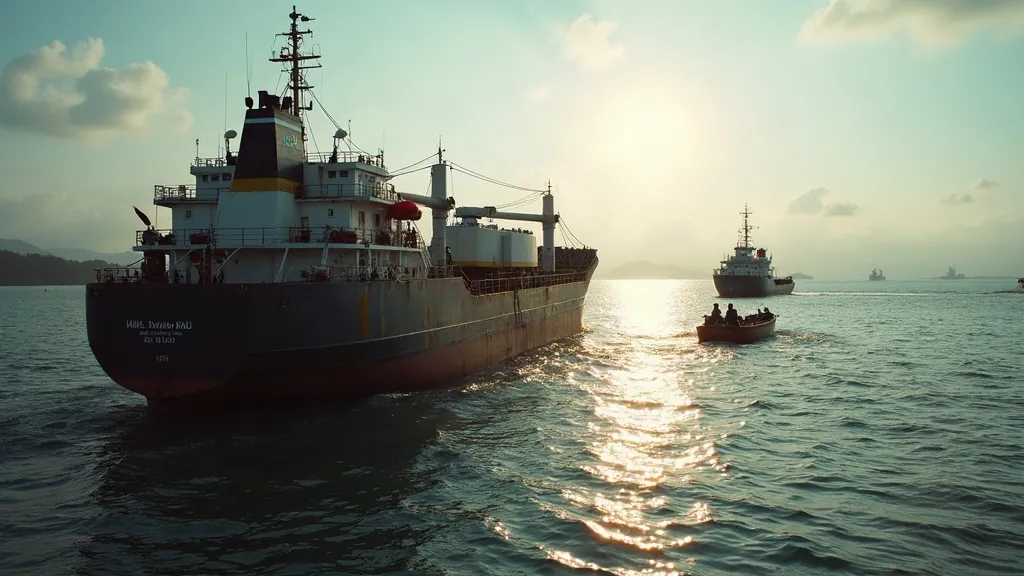
Visiting crews often search the chart for a fuel pier and find nothing, because Labuan Bajo does not bunker that way. Fuel here moves to the vessel, not the vessel to the fuel: tanker trucks reverse to the pier head for boats alongside, self-propelled fuel barges come alongside larger vessels and superyachts at berth or anchor, and boats on moorings run drum-and-tender operations for smaller quantities. Everything is arranged through agents or the marina office, normally at least a day ahead, longer in peak season when the fleet’s demand spikes on the same turnaround days. As independent consultants we describe the system as it works in practice; your agent will confirm current suppliers and pricing, which moves with Indonesian fuel policy and volume.
Ordering: Quantity, Grade, and Timing
Marine diesel (solar/HSD) is the working grade for the phinisi fleet and most visiting yachts. When ordering, specify quantity in litres, delivery method, and the earliest and latest acceptable windows — then order more lead time than feels necessary: a day is normal, two or three are safer in July and August, when trucks and barges are booked across the fleet’s shared turnaround rhythm. Coordinate the delivery with your other dockside logistics so the fuel truck, the water fill, and the provisioning van are not fighting for the same pier metre — the sequencing discipline is the same one described in our provisioning guide. For large superyacht quantities, raise volumes at the berth-request stage so barge capacity is reserved.
Taking Delivery: Verify, Then Trust
Good bunkering practice in any Indonesian port is simple and non-negotiable. Sound your tanks before and after — quantity is verified by your dips, not the meter alone. Take a sample into a clear jar at the start, middle, and end of the delivery: clean diesel is bright and clear; haze means water, sediment means tank rust somewhere upstream. Bunker through your own filter at the deck fitting — a water-separating funnel or inline filter is the lowest-cost engine protection in the tropics. Keep flow rates moderate, maintain a deck watch with spill kit staged, and stop on any doubt. Crews that make the jar-and-dip ritual routine simply do not have fuel stories to tell, which is the goal.
Bunkering routine for every delivery:
- Order via agent 1-3 days ahead; specify litres, method, and window.
- Sound tanks before and after – dips verify quantity, not the meter.
- Jar samples at start, middle, and end; reject haze or sediment.
- Bunker through a water-separating filter at the deck fitting.
- Deck watch with spill kit staged; delivery notes filed after settlement.
Paperwork and Payment
Expect to settle through your agent or the supplier’s office, with delivery notes stating litres, date, vessel, and supplier — keep every one. The paper trail matters three times over: reconciling your own consumption records, supporting any quality claim if a filter clogs a week later, and satisfying insurers and surveyors that fuel handling followed documented practice. Pricing is quoted per litre and moves with national fuel policy; budget conservatively in USD terms, and treat any quote dramatically below the going rate with suspicion — diesel that is too inexpensive usually has a reason. The pricing guide outlines where fuel sits among the other operating costs of basing here.
Fuel Strategy Across a Komodo Season
Operators quickly learn to treat fuel as a season-level plan rather than a series of emergencies. Boats berthed alongside bunker on turnaround mornings, matching delivery to the week’s schedule. Anchored and moored boats consolidate: fewer, larger deliveries by barge beat frequent drum runs on both price and handling risk — part of the cost logic in our base-strategy comparison. Whatever the pattern, keep tanks high going into the wet season lay-up to limit condensation, dose against microbial growth in a tropical climate, and log every litre in and out. In a harbour with no fuel dock, the boats that run smoothly are the ones for which bunkering is a calendar entry, not a scramble.
Many crews pair a fuel call with a waste stop — pump-out scheduling at Labuan Bajo docks covers how the two services line up on the same visit.
Frequently Asked Questions
Is there a fuel dock in Labuan Bajo?
No single retail fuel pier. Fuel is delivered: tanker trucks to berthed vessels, barges alongside larger yachts, and drum-and-tender runs to moorings – all arranged through agents or the marina office.
How far ahead should bunkering be ordered?
At least a day, and two to three in July-August when trucks and barges are shared across the fleet’s turnaround days. Superyacht volumes should be flagged when the berth is requested.
How do I protect against poor fuel quality?
Sample into a clear jar through the delivery, reject haze or sediment, and always bunker through a water-separating filter. Keep delivery notes so any later claim has a paper trail.
What fuel grade is available for yachts?
Marine diesel (locally solar/HSD) is the standard supply for the phinisi fleet and visiting yachts. Petrol for tenders and outboards moves in smaller quantities through the same agent channels.
Bunkering here is reliable when it is planned and verified – order early, dip the tanks, sample the fuel, and file the paperwork. To coordinate a delivery with a berth window or arrange barge capacity, contact the berthing enquiry desk, or the team on WhatsApp at +62 811-3941-4563 or bd@juaraholding.com.