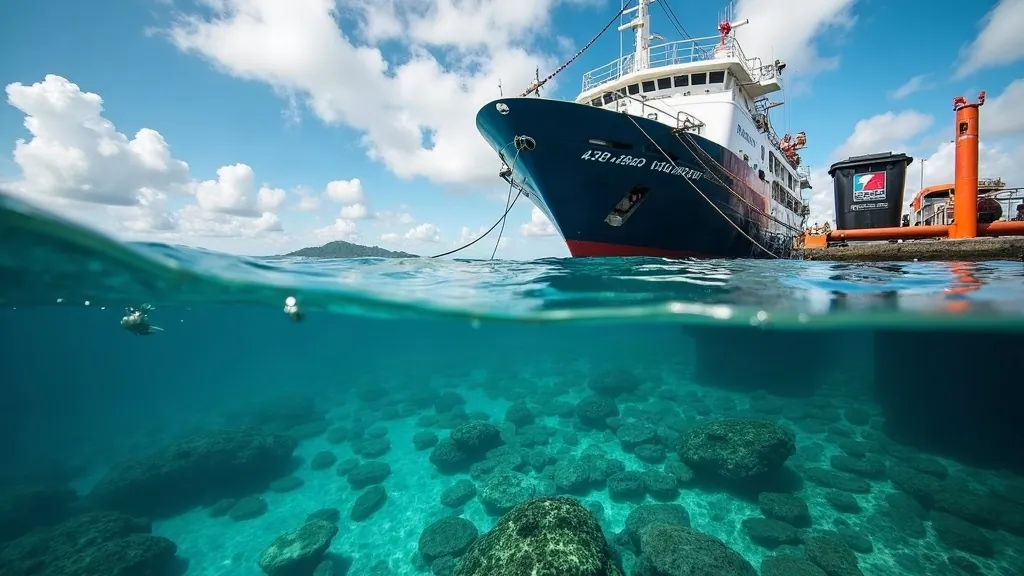
Why the Park’s Shadow Reaches the Harbour
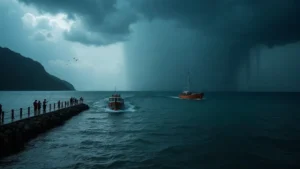
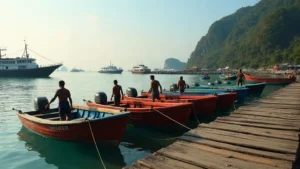
Every vessel berthed in Labuan Bajo operates a few miles from one of the most valuable marine ecosystems on earth. Komodo National Park’s waters — manta cleaning stations, reef systems, seagrass feeding grounds — begin effectively at the town’s doorstep, and the same currents that make the diving world-class connect the harbour to the park twice a day. That is the practical reason waste discipline here is not a paperwork exercise: what goes over the side in the bay does not stay in the bay. The fleet’s better operators have understood this for years and run park-grade routines even alongside the pier. We document those practices as independent consultants; specific regulations evolve, so treat this as the operating standard to meet, and confirm current rules with your agent.
Black Water: Holding Tanks and Honest Routines
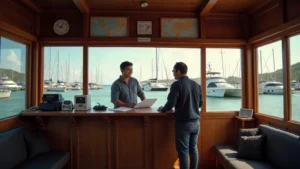
The standard that responsible boats hold themselves to is simple: nothing from the black-water system enters the water at berth, on a mooring, or anywhere inside protected or near-shore waters. Practically that means holding tanks sized and actually used, seacocks wired or tagged shut in harbour, and discharge only through shore-side collection arranged via the marina office or agents — vacuum truck to the pier for berthed boats, or scheduled runs for the fleet — or, for vessels equipped and permitted, legal discharge well offshore beyond protected waters on passage. Ask about collection when booking a berth, because arranging it is exactly the kind of service request that works better stated in advance, as our berthing checklist recommends for every utility.
Grey Water and the Galley
Grey water is legally lighter but ecologically real: sink, shower, and laundry outflows carry surfactants, food solids, and grease into a bay with limited flushing in the wet season. The fleet’s working standard is reduction at source — marine-rated, phosphate-free soaps and detergents; strainers on galley sinks with solids binned, never rinsed through; grease collected in containers and landed with garbage, because grease is the visible sin that ends up on hulls and beaches. Charter crews brief guests gently on the same logic: what the plumbing accepts and what the bin takes. None of this is onerous; it is a menu of habits, and boats that adopt them find their own waterline stays cleaner too.
Harbour waste standard responsible fleets follow:
- Holding tanks used at berth and mooring; seacocks tagged shut in harbour.
- Pump-out arranged ashore via office or agent; or legal discharge well offshore on passage.
- Marine-safe, phosphate-free products; galley strainers; grease to containers, ashore.
- All garbage landed and sorted; hazardous items held for agent disposal.
- Bilge socks fitted; oily water landed as hazardous waste, never pumped in the bay.
Garbage: Everything Comes Ashore
The rule with solid waste is absolute and universal: everything is landed ashore. Berthed boats bag and sort to the pier collection point; moored boats run garbage in with the tender on provisioning trips — the same logistics loop described in our provisioning guide works in reverse for waste. Sort what the town’s collection streams can use: plastics and cans separated where facilities accept them, hazardous items — batteries, filters, oily rags, expired flares — held aboard for proper disposal through your agent rather than dropped in a general bin. Oily bilge water deserves special mention: absorbent socks in the bilge, contents landed as hazardous waste, and never a bilge pumped in the bay.
Why the High Standard Pays
Beyond the ethics, waste discipline is commercially rational. Charter guests choose Komodo for water they can see through; operators visibly protecting it convert that into reviews and repeat bookings. Port and park authorities remember vessels that make their jobs easy, and in a harbour where berth allocation involves human judgement, a clean reputation is quiet currency — the same reputational logic that runs through our security guide applies to environmental conduct. The fleet’s standard-setters treat the bay as part of the product they sell. In the park’s shadow, that is not idealism; it is the business model, and every vessel that berths here is either supporting it or spending it down.
The reason the discipline matters is measurable — our dock water quality readings for Labuan Bajo track exactly what good pump-out habits protect.
Frequently Asked Questions
Is there a pump-out station at Labuan Bajo marinas?
Not a fixed dockside station – shore-side collection is arranged through the marina office or agents, with vacuum trucks serving the pier and scheduled runs for the fleet. Request it when booking your berth.
Can grey water be discharged at berth?
It is treated more leniently than black water, but the fleet standard is reduction at source: marine-safe products, galley strainers, and grease collected ashore, because the bay connects directly to park waters.
What happens to garbage from boats?
Everything is landed ashore – bagged to pier collection points or brought in by tender. Hazardous items such as batteries, filters, and oily rags are held aboard and disposed of through agents.
Why are standards so high if the town is outside the park?
Tidal currents connect the harbour to Komodo National Park’s reefs and manta sites daily. Responsible operators run park-grade discipline at berth because the ecosystems guests pay to see begin at the town’s doorstep.
The bay is part of the product every operator here sells – handle waste like it matters, because commercially and ecologically it does. To arrange pump-out, collection, or hazardous disposal alongside a berth booking, use the berthing enquiry desk, or contact the team on WhatsApp at +62 811-3941-4563 or bd@juaraholding.com.