The Honest Capability Statement
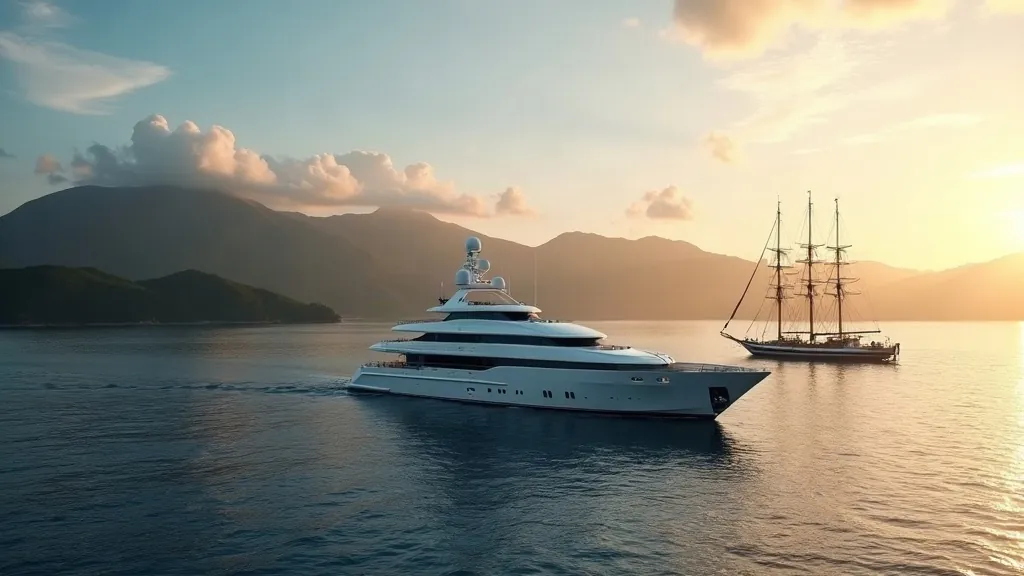
Labuan Bajo is the gateway to what many captains rate as the best expedition cruising in Southeast Asia, and superyacht traffic has grown accordingly — but the town is not, and does not pretend to be, a Mediterranean-style superyacht marina. Alongside space that accepts 45-metre-plus hulls is limited and committed; the working model for large yachts is a deep-water outer position or heavy mooring, with the harbour’s services coming to the vessel. Captains who arrive expecting Porto Cervo are disappointed; captains who arrive expecting a capable expedition gateway with real depth — main areas carry 4–12 m at datum, with deeper natural water beyond — and a fleet-hardened service network find the visit works well. We write as independent consultants documenting what the harbour genuinely delivers, so owners’ offices can plan against reality.
Positions, Holding, and the Tender Bridge
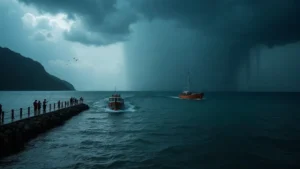
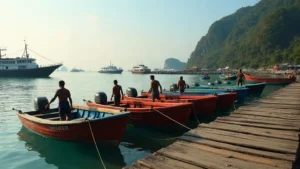
Large-yacht positioning is arranged case by case with the harbour master and marina offices: outer berths where dimensions allow, engineered moorings for the biggest visitors, and designated deep-water anchorage with good holding for self-sufficient ships. What replaces the alongside berth is the tender bridge — and this is where Labuan Bajo performs: dedicated dinghy and tender landings near the town centre, porters who understand guest luggage, and a waterfront that runs small-boat logistics all day for the phinisi fleet already. Guest movements, crew changes, and provisioning all ride this bridge, and it scales — the same infrastructure that turns around a dozen charter phinisi weekly absorbs a superyacht’s traffic without drama. Position requests should state draft, air draft if masted, and tender count so the office assigns water that fits.
Fuel, Water, and Technical Support
Bunkering for superyacht volumes happens by barge alongside, arranged through agents with several days’ notice — the full procedure, including quality verification, is covered in our bunkering guide. Water for large tanks is best planned as verified reverse-osmosis deliveries rather than assumed at a pier, per our dock water guide. Technical support is phinisi-calibrated: excellent wooden-boat trades, capable diesel mechanics, riggers and fabricators used to working from tenders, with specialist superyacht systems engineers flown in from Bali or Singapore when needed — a routine airlift given daily flights. The honest technical summary: routine maintenance and emergency response are well covered; deep specialist work is a planned import.
Advance file a superyacht office should send, two to four weeks out:
- Vessel particulars: LOA, beam, draft, air draft, displacement, tender count.
- Position request: outer berth, engineered mooring, or deep-water anchorage.
- Bunkering volume and window for barge scheduling.
- Provisioning master order for Bali consolidation; RO water volumes.
- Agent instructions: clearance, park permits, crew-change dates.
Provisioning at Guest Standard
Superyacht galleys run on the two-tier system described in our provisioning guide, scaled up: the local market supplies exceptional fish and tropical produce, while imported guest-standard lines — wines, cheeses, specific proteins — consolidate through Bali by truck-ferry and air freight. For large orders the air bridge matters: daily flights from Bali mean a chief stew’s short-notice list can land same-day, at air-freight prices. The discipline is lead time: file the main order five to seven days out in season, keep a standing template with a proven supply agent, and sequence cold chain to the tender schedule. Fleets that treat Labuan Bajo as a provisioning base rather than an emergency stop consistently report it outperforms its size.
Clearance, the Park, and the Crew
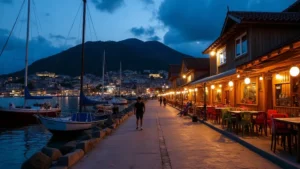
Indonesia’s formalities — and Komodo National Park’s permit system — are agent territory: CAIT and clearance handling, park permits and daily fees, dive and drone rules, all managed shoreside while the ship stays operational. Engage the agent before arrival, not at it; two to four weeks’ notice smooths everything from positioning to permits. For crew, the town has matured into a genuine crew-change and rest stop: daily Bali connections, hotels for overlap nights, restaurants and cafes along the waterfront, and provisioning for crew mess at town prices. The complete picture — expedition cruising ground, workable logistics, real crew infrastructure — is why return visits are the norm; the fleet profile guide places superyachts firmly among the harbour’s core users now.
Guests stepping ashore will find the waterfront compact — the walking guide to the marina neighbourhoods covers what sits within ten minutes of the passerelle.
Frequently Asked Questions
Can superyachts berth alongside in Labuan Bajo?
Rarely – alongside space for 45m-plus hulls is limited and committed. The working model is a deep-water outer position or engineered mooring with tender, barge, and agent services coming to the vessel.
How far ahead should a superyacht visit be planned?
Two to four weeks for positioning, bunkering barge capacity, and park permits, with the provisioning master order filed five to seven days out. Short-notice visits work, but peak-season windows reward planning.
Is technical support available for superyacht systems?
Routine mechanical, electrical, and wooden-boat trades are strong locally; specialist systems engineers fly in from Bali or Singapore on daily connections, so deep specialist work is planned as an import.
What makes Labuan Bajo worth the visit for large yachts?
Direct access to Komodo National Park’s cruising ground with real depth, fleet-hardened logistics, an air bridge to Bali for provisioning and crew, and clearance handled by experienced agents.
Labuan Bajo hosts big ships well when the file arrives early – deep water, a proven tender bridge, and an agent network that keeps the ship operational. To advance a visit or reserve barge and position capacity, contact the berthing enquiry desk, or the team on WhatsApp at +62 811-3941-4563 or bd@juaraholding.com.